
Are you looking for fun ways to tire your dog out? In this blog, we are sharing some fun and easy ways to make sure your dog is tired at the end of the day to make sure your furry friend won’t be missing the dog park.
A tired dog is often a well-behaved dog, but does training actually tire them out? The answer is a resounding YES – but not in the way many pet parents might think While physical exercise gets your pup panting, mental stimulation through training provides a different kind of exhaustion that can be even more effective for creating a calm, content canine companion
How Training Mentally Exhausts Your Dog
Training sessions require your dog to focus, think learn and problem-solve. These mental activities consume significant energy and can leave your dog pleasantly tired without hours of physical exertion. Here’s why training is so effective at tiring out your dog
- Brain power consumes energy: Just like in humans, cognitive activities require energy and can lead to mental fatigue
- Focus is tiring: Maintaining attention during training sessions demands significant mental effort
- Learning new skills: Processing new information and developing skills challenges your dog’s brain
- Problem-solving: Many training activities require your dog to figure things out, which is mentally taxing
As Calvin Gritton notes in his comprehensive guide, “While a long walk or a vigorous game of fetch can certainly leave your dog panting, it’s mental exhaustion that truly leads to a contented and relaxed pup.”
Effective Training Methods That Tire Out Dogs
Not all training is created equal when it comes to mentally tiring your dog Here are some particularly effective approaches
1. Short, Focused Training Sessions
Rather than marathon training sessions, multiple short sessions throughout the day provide better mental stimulation. Aim for 5-15 minute sessions depending on your dog’s age, experience, and attention span.
These short bursts of intense mental activity are more effective than longer sessions where your dog might lose focus. Plus, they’re easier to fit into your daily routine!
2. Teaching New Tricks
Learning something brand new requires significant mental energy. When introducing a new command or trick:
- Start with simple steps
- Use high-value treats for motivation
- End on a positive note while they’re still engaged
- Practice in different environments to increase the challenge
The process of figuring out what you want, connecting the command to the action, and performing it correctly is mentally demanding for your dog.
3. Obedience Training
Even practicing commands your dog already knows provides good mental exercise. Try:
- Practicing in new environments with different distractions
- Chaining commands together in sequence
- Increasing the duration of stays or waits
- Adding distance between you and your dog during commands
4. Puzzle-Based Training
Incorporating puzzle elements into training provides extra mental stimulation:
- Hide treats under cups and teach your dog to indicate the correct one
- Use puzzle toys that require specific actions to release treats
- Create obstacle courses that require following directions
- Practice scent detection games where they need to find hidden objects
Signs Your Dog Is Mentally Tired
How do you know if your training sessions are effectively tiring out your dog? Look for these signs of mental fatigue:
- Yawning
- Lip licking
- Turning away or losing focus
- Panting (even without physical exertion)
- Lying down or seeking a quiet space
- Becoming easily distracted
- Showing “whale eye” (visible whites of the eyes)
When you notice these signs, it’s time to end the session and let your dog rest. Mental stimulation needs to be followed by downtime for your dog to process what they’ve learned.
Benefits Beyond Tiredness
While a tired dog is certainly a great outcome, training provides numerous additional benefits:
- Reduced behavioral problems: A mentally stimulated dog is less likely to engage in destructive behaviors
- Improved cognitive function: Regular mental challenges help keep your dog’s mind sharp, especially important for senior dogs
- Stronger bond: Training sessions create positive associations with you and strengthen your relationship
- Increased confidence: Successfully learning new skills builds your dog’s confidence
- Better emotional stability: Mental stimulation can reduce anxiety and improve overall wellbeing
Training Activities Based on Dog Personality Types
Different dogs respond differently to various types of training. Consider your dog’s personality when choosing activities:
High-Energy Working Breeds
Breeds like Border Collies, Australian Shepherds, and German Shepherds thrive with:
- Complex obedience training
- Advanced trick training
- Agility-style obstacle courses
- Scent detection work
Brachycephalic or Lower-Energy Breeds
Breeds like Bulldogs, Basset Hounds, or senior dogs may prefer:
- Shorter, less physically demanding sessions
- Puzzle toys and brain games
- Simple trick training
- Scent work at a slower pace
Anxious or Reactive Dogs
Dogs with anxiety or reactivity benefit from:
- Relaxation protocol training
- Focus and attention exercises
- Confidence-building activities
- Predictable routines with gradual challenges
Incorporating Training Into Daily Life
You don’t need dedicated training “sessions” to mentally tire your dog. Try these everyday integration strategies:
-
Mealtime training: Use mealtime as an opportunity for training by:
- Having your dog perform commands before receiving food
- Using a puzzle feeder instead of a regular bowl
- Scattering kibble for them to find (indoor “scent work”)
-
Walk-time training: Turn regular walks into training opportunities:
- Practice loose-leash walking
- Do random sits, stays, and recalls during the walk
- Train your dog to check in with you at crosswalks
-
Everyday cues: Incorporate commands into normal activities:
- Wait at doors before going through
- Stay while you prepare their food
- Go to place/bed when visitors arrive
Sample Training Schedule to Tire Out Your Dog
Here’s a sample schedule for effectively tiring your dog through training:
| Time | Activity | Duration | Mental Challenge |
|---|---|---|---|
| Morning | Command practice during breakfast | 5-10 minutes | Moderate |
| Mid-morning | New trick training | 5-15 minutes | High |
| Lunchtime | Puzzle toy with lunch | 15-30 minutes | Moderate |
| Afternoon | Obedience in new environment | 10-15 minutes | High |
| Evening | Hide & seek games | 10 minutes | Moderate |
| Bedtime | Calm behaviors & relaxation | 5 minutes | Low |
DIY Training Games That Tire Dogs Out
Try these simple training games that provide excellent mental stimulation:
Name That Toy
- Gather several of your dog’s toys and name each one
- Start with just 2 toys and say “get (toy name)”
- Reward when they select the correct toy
- Gradually add more toys as they learn the names
Find It
- Have your dog stay while you hide a toy or treat
- Release them with an excited “find it!” command
- Celebrate when they locate the hidden item
- Gradually increase difficulty by hiding items better or in new locations
Cup Game
- Place a treat under one of three cups
- Shuffle the cups while your dog watches
- Ask them to indicate which cup has the treat
- Reward correct choices and gradually increase difficulty
Common Mistakes When Training to Tire Out Dogs
Avoid these pitfalls that can make training less effective for tiring out your dog:
- Sessions that are too long: Dog’s attention spans are limited; long sessions become counterproductive
- Training when already tired: A physically exhausted dog won’t have the mental energy to learn effectively
- Inconsistent cues: Changing your commands or signals creates confusion, not productive mental work
- Skipping rest periods: Dogs need time to process what they’ve learned; without breaks, training becomes stressful
- Focusing only on physical exercise: Many pet owners overlook the power of mental stimulation
Final Thoughts: Finding the Right Balance
The most effective approach combines both physical and mental exercise. While training is excellent for mental stimulation, most dogs still need some physical outlet for their energy. The ideal combination varies based on:
- Breed characteristics
- Age
- Individual personality
- Health status
A well-structured day for most dogs includes some physical activity, multiple short training sessions, and plenty of rest time. This balanced approach creates a tired, content, and well-behaved canine companion.
Remember, as noted by experts, “A mentally stimulated dog is a happier, healthier, and more well-behaved dog.” So next time you’re wondering if your training sessions are tiring out your dog – the answer is yes, they absolutely are, just in a different and often more effective way than physical exercise alone!
Enrichment at meal times
Be sure to ditch the boring bowl and offer fun games and puzzles at meal times. Some favourites are the Kong wobbler or replay, Nina ottoman puzzles, stuffables like Kongs or JW Bears or try your hand at some homemade puzzles.
Expert dog trainer, Ryan Tate shares his favourite behavioural enrichment toys for dogs:
Brain games and trick training
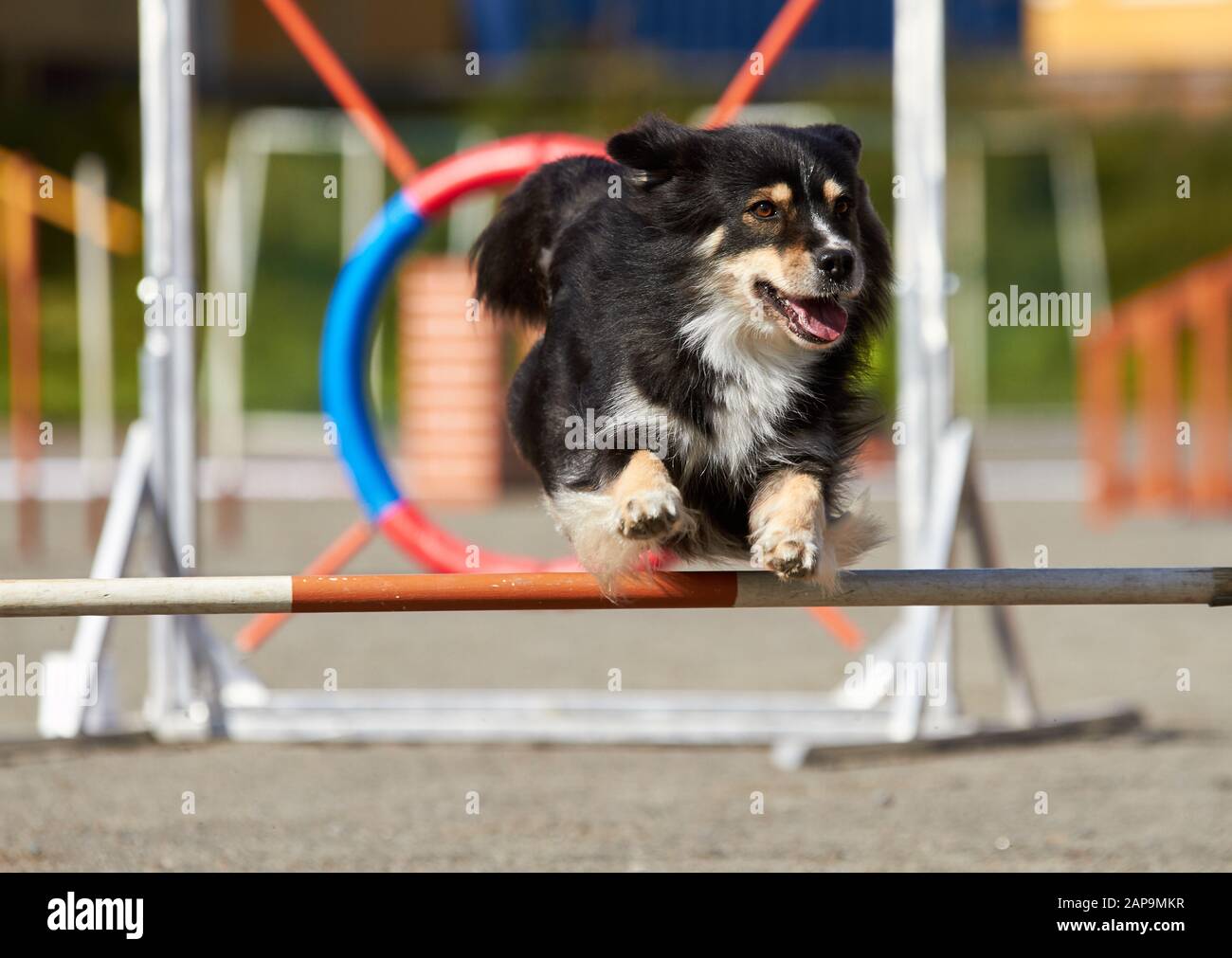
Mental exercise is just as effective, if not more so than physical exercise when it comes to a happy and exhausted dog. Spend 10 or 15 minutes teaching your dog new tricks or try your hand at a sport like agility, obedience or nosework. Many clubs and trainers are offering online classes at the moment, so you don’t even need to leave your own home.
The Single BEST Way To Tire Out Your Dog! A Tired Dog Is a GOOD Dog!
FAQ
How to tire a dog out?
One of the best ways to tire a dog out is by going for a swim. Water adds a lot of resistance, which means your dog’s muscles need to work harder. And because his muscles are working harder, he’ll get tired quickly! Many dogs enjoy swimming, but not all do. Breeds like Poodles and Labrador Retrievers were bred to be able to swim well.
Do dogs get tired after work?
When humans experience an adrenaline rush or a dopamine high, they usually get tired afterwards. It’s the same with dogs after the excitement of spending quality time with their owner. Of course, you may have to be gone for long periods of the day if you work outside the home, but even so, you may be able to visit them on your lunch break.
Why do dogs get tired after spending time with humans?
As we discussed earlier, when dogs bond with humans, it releases feel-good chemicals and hormones in their bodies. When humans experience an adrenaline rush or a dopamine high, they usually get tired afterwards. It’s the same with dogs after the excitement of spending quality time with their owner.
Can a dog sleep in a car?
New, unexplored habitats have a way of revving dogs’ engines. By the time you’re headed home, there’s a good chance your pup will be sleeping in the backseat. Speaking of which, the car ride alone can be very exciting for dogs, as the high-velocity smells and sights fly by on either side.
How can I Help my Dog regain energy?
Find a regular walking schedule that works best for you. Establishing a routine will give your pup consistency and help constructively manage his energy levels. Dogs collect a ton of information about their environment through their sense of smell. Letting your pup sniff around during walks keeps his mind active.
How do you keep your dog’s energy level manageable?
Every dog is different, but here’s what has worked to keep my dog’s energy level manageable and maintain my sanity in the process. Take your dog for long walks. Let your dog sniff around outside. Throw treats into the grass. Play games. Teach commands and tricks. Let your dog look out the window. Offer things to lick and chew on.
Does training make dogs tired?
Are dogs happier if they are trained?
What is the hardest age to train a dog?
The first year is the roughest because they’re still learning the rules and full of boundless energy. At two years, they’re pretty much adults and will mellow out quite a bit.
What is the 7 7 7 rule for dogs?