
Picking the right nutrition for your canine companion can be overwhelming with so many options. Both dry kibble and canned food offer different advantages in terms of moisture content, nutritional profile, and palatability for your dog. Additionally, consider the level of convenience and affordability associated with each type of dog food. By carefully evaluating the differences between dry and wet foods, you can work with your veterinarian to make an informed choice that caters to your dog’s specific needs and preferences.
Both wet and dry foods can provide your pup with high quality, all natural nutrition. However, there are some differences to consider that can help ensure your furry friend is getting everything they need. In addition to moisture levels, wet and dry dog food can differ in protein, fat, and carbohydrate content.
Dry food generally lists a slightly higher protein content (25-40%) as the drying process concentrates the nutrients. Wet food, on the other hand, typically displays a lower protein content (10-15%) due to the higher water content.
However, to accurately identify protein percentages between wet and dry food recipes you should look at the protein content on a dry matter basis. You’ll often find that wet food and dry food have a similar protein content on a dry matter basis, meaning that regardless of the type of food you pick, your dog will get the right amount of protein it needs.
Kibble and canned food have relatively similar fat content that ranges from 5-15%. Wet food may have slightly higher fat content depending on the recipe and inclusion of additional fats for palatability, weight management, and energy requirements.
Dry dog food typically contains higher carbohydrate content (30-50%), since carbs like grains and starches are necessary to help bind and shape the kibble and provide energy. In contrast, wet food has a generally lower carbohydrate content (10-30%).
Just like humans, dogs need proper hydration for good health. Hydration supports digestion, promotes a regulated temperature, and more. Dogs should always have access to fresh and clean water, but they can also get some moisture from their food, though it’s important to understand the difference between wet and dry food in this regard.
Dry food, or kibble, delivers a typical moisture content of around 10%. In contrast, wet dog food, often found in cans, cups, or pouches, contains significantly more moisture, typically ranging from 75-78%.
This difference significantly impacts how much hydration your dog gets from their food source. Wet food, with its higher water content, helps contribute more significantly to your dog’s daily hydration compared to dry food. If your dog is struggling to drink enough water or is a picky eater, consider a mix of wet and dry food.
Choosing the right food for your furry friend can feel like navigating a maze. With countless brands, ingredients, and conflicting advice, even the most basic decision between wet and dry dog food can leave pet parents scratching their heads.
I’ve spent countless hours researching this topic because my own pup, Max, is quite the picky eater. Trust me when I say that the wet vs. dry food debate is more nuanced than many pet owners realize!
In this comprehensive guide, we’ll dive into everything you need to know about wet dog food – its benefits, potential drawbacks, and how it compares to dry kibble. By the end, you’ll have all the information you need to make the best dietary decision for your canine companion
The Key Differences Between Wet and Dry Dog Food
Before we tackle whether wet food is better let’s understand what makes these two options different
Processing Methods
Wet Food Processing:
- Starts with grinding protein sources (meat ingredients)
- Adds a vitamin, mineral, and grain-enriched gravy
- Mixture is cooked and sterilized
- Results in significantly higher moisture content (around 78%)
Dry Food Processing
- Contains similar ingredients but creates a consistent dough
- Dough is extruded through shaped holes to form kibble
- Undergoes drying process
- Sprayed with fats, oils, vitamins, and minerals
- Some varieties add probiotics for digestive health
- Much lower moisture content (approximately 10%)
Nutritional Content
Despite different processing methods, both wet and dry dog foods can provide nutritionally balanced diets. The Merck Veterinary Manual confirms that both options can offer the same core nutrition, though specific formulations vary by brand and type.
The Benefits of Wet Dog Food: Is It Better?
Many dog owners wonder if wet food might be the superior choice. Here are the key advantages that wet food offers:
1. Superior Hydration
Wet food contains significantly more moisture (typically around 78%) compared to dry kibble (about 10%). This additional moisture can:
- Help dogs that don’t drink enough water
- Benefit dogs with urinary or kidney conditions
- Prevent dehydration, especially during hot weather
- Support overall hydration needs
2. Higher Protein, Lower Carbs
Wet food generally contains:
- Higher protein content
- Lower carbohydrate levels
- Higher fat content
This macronutrient profile can help prevent obesity in some dogs, as high carbohydrate intake may contribute to weight gain.
3. Enhanced Palatability and Appetite Stimulation
Let’s be honest – wet food simply smells and tastes better to most dogs! It more closely resembles fresh meat that dogs naturally crave. This makes wet food especially beneficial for:
- Picky eaters
- Dogs with decreased appetite
- Older dogs who may be losing interest in food
- Dogs recovering from illness
4. Increased Satiety
Wet food tends to create a longer-lasting feeling of fullness, which can:
- Aid in weight management
- Help dogs that seem constantly hungry
- Reduce begging behaviors
5. Easier to Chew
For certain dogs, wet food offers significant advantages in terms of texture:
- Gentler on dogs with dental issues
- Easier to consume for dogs with oral abnormalities
- Better for seniors with weakened jaws or missing teeth
The Drawbacks of Wet Dog Food
Despite its benefits, wet dog food isn’t without disadvantages:
1. Cost Considerations
One of the biggest hurdles for many pet parents is cost:
- Generally more expensive than dry food
- Can cost up to $1 more per day depending on brand and dog size
- Less economical for large breed dogs
2. Convenience Issues
Wet food requires more work from pet owners:
- Messier to serve and clean up
- Creates more waste with cans, pouches, or containers
- Requires refrigeration once opened
- Spoils quickly if left out, especially in warm weather
- Takes up more storage space
3. Dental Health Concerns
Unlike dry kibble, wet food doesn’t provide the same dental benefits:
- May increase tartar buildup faster than dry food
- Doesn’t scrape plaque from teeth during chewing
- Might require additional dental care routines
4. Potential Health Risks
Some specific concerns include:
- Higher fat content may be problematic for dogs prone to pancreatitis
- Canned foods may contain BPA (Bisphenol-A) in the lining, which some research suggests can be detected in dogs’ bloodstreams
- Strong odor that many owners find unpleasant
Dry Dog Food: The Alternative Option
To make an informed choice, it’s worth understanding the benefits of dry food as well:
1. Dental Health Benefits
Dry kibble can help maintain oral health by:
- Encouraging chewing, which mechanically cleans teeth
- Reducing tartar buildup
- Potentially preventing periodontal disease
2. Convenience and Practicality
Many pet parents appreciate that dry food is:
- Easy to store and portion
- Won’t spoil if left out all day
- Ideal for “grazer” dogs that eat throughout the day
- Less messy on long-haired dogs
- Creates less waste
3. Cost Effectiveness
For budget-conscious pet owners, dry food offers:
- Lower cost per serving
- Ability to buy in bulk
- Longer shelf life before opening
4. Enrichment Opportunities
Dry kibble works well with:
- Food puzzles
- Slow feeders
- Training treats
- Cognitive stimulation activities
The Best of Both Worlds: Mixing Wet and Dry Food
Many veterinarians recommend a balanced approach – mixing wet and dry food to capitalize on the benefits of both. This strategy can:
- Provide the dental benefits of dry food
- Add the palatability and moisture of wet food
- Create a more interesting meal experience
- Be more cost-effective than exclusive wet food feeding
If you choose to mix, remember:
- Calculate your dog’s daily calorie requirements (consult your vet)
- Determine appropriate portions of each food type to reach that calorie goal
- Account for any treats in your calculations
- Make any diet changes gradually over 4-5 days to avoid stomach upset
Veterinarian-Recommended Brands
According to the experts, some commonly recommended dog food brands include:
- Hill’s Science Diet
- Royal Canin
- Purina Pro Plan
These brands offer both wet and dry formulations for different life stages.
Making the Right Choice for Your Dog
So, is wet food better for dogs? The answer depends entirely on your individual dog’s needs and your lifestyle. Consider these factors:
When Wet Food Might Be Better:
- For dogs with urinary or kidney issues
- For dogs that don’t drink enough water
- For picky eaters or dogs with decreased appetite
- For dogs with dental problems or missing teeth
- For weight management in always-hungry dogs
When Dry Food Might Be Better:
- For dogs prone to dental disease
- For dogs with healthy appetites
- For owners with budget constraints
- For convenience and less mess
- For dogs that are “grazers”
How to Transition Between Food Types
If you decide to switch from dry to wet food (or vice versa), follow these steps:
- Make the change gradually over 4-5 days
- Start by mixing a small amount of new food with the old
- Gradually increase the proportion of new food
- Monitor for any digestive upset
- Be patient – switching from wet to dry can be particularly challenging as dogs may resist the less flavorful option
Final Thoughts: Making the Best Choice for Your Furry Friend
There’s no one-size-fits-all answer to whether wet food is better for dogs. Both wet and dry options can provide complete nutrition when you choose high-quality products. The “best” choice depends on your dog’s specific needs, your budget, and your lifestyle.
I’ve found that mixing both types works great for my dog Max – he gets the taste he loves plus the dental benefits of some crunchy kibble. It’s been a win-win for both of us!
Remember to always consult with your veterinarian before making significant changes to your dog’s diet, especially if they have existing health conditions or special nutritional needs.
What food type does your dog prefer? Have you noticed any differences in their health or happiness based on their diet? We’d love to hear your experiences in the comments!
Disclaimer: This article is for informational purposes only and does not substitute professional veterinary advice. Always consult with your veterinarian regarding the best dietary choices for your specific dog.
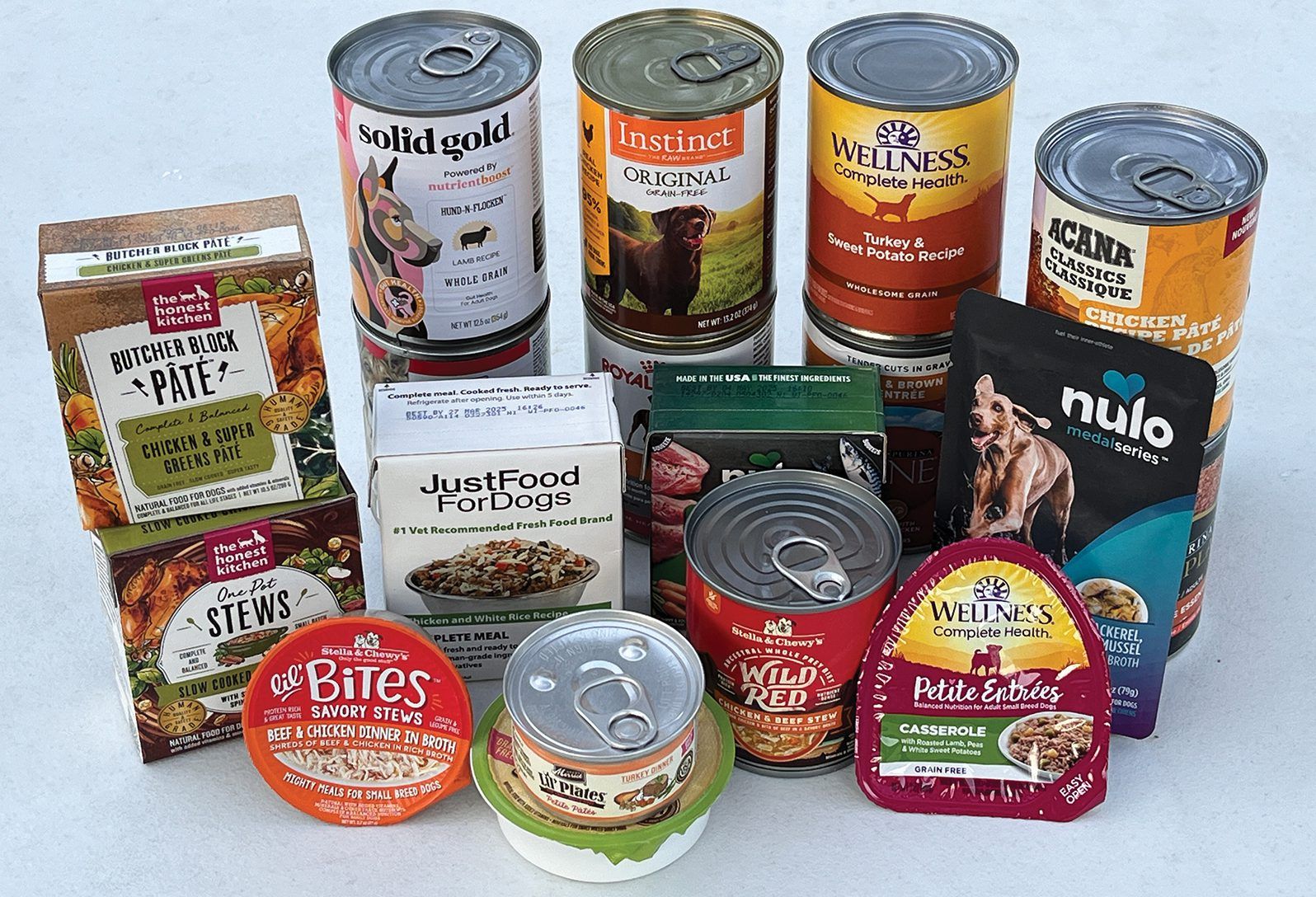
What tastes better: Wet or Dry food?
When it comes to taste and palatability for dogs, wet dog food generally wins over kibble for a few reasons:
- Stronger scent: Wet food has a stronger aroma due to its higher moisture content. Wet dog food formulations release the aroma of the protein source that can be more attractive to a dog’s sense of smell which can be helpful for dogs that are picky eaters. Knowing this, wet food can be mixed with dry food or used as a meal topper.
- Texture: The texture of wet and dry food differs significantly. Wet food offers a softer consistency, which can be easier for dogs to chew and swallow. Dry kibble can be stimulating for dogs that prefer to crunch.
Convenience of Wet vs Dry Dog Food
Selecting the best protein option and dog food recipe to provide your dog with the nutrients it needs is the most important thing to consider when choosing between wet and dry food. However, convenience factors like storage life and portion control are also worth thinking about when selecting dog food.
Storage Life:
Once opened, kibble can still stay fresh for weeks when stored properly in its bag in an airtight container. This makes it ideal for dog owners who don’t mind buying larger bags to save on cost. Keep in mind that once opened, wet or canned dog food needs to be refrigerated and used within a few days.
Portion Control:
Dry dog food is easier to measure and portion out with measuring cups, allowing you to provide and adjust the exact amount of food your dog needs based on their weight, activity level, and life stage. Wet dog food comes pre-packaged and can offer additional nutritional benefits which make it a great meal topper or mixer. Nature’s Logic provides a feeding guide online to make it easy for pet parents feeding Nature’s Logic to reference and understand how much food their pup should have to eat. As a note, if you’re feeding a large breed, it’s unlikely that they’ll be able to solely rely on wet food as they would need to eat significantly more food to get the nutrients they need from the food.
The Pros and Cons of Wet Canned Dog Food
FAQ
Do vets recommend wet dog food?
Your veterinarian may recommend wet dog food for a variety of reasons: to help make eating easier for dogs with dental disease, to help encourage a dog’s appetite by mixing it in with dry food, to provide extra calories for senior dogs, and more.
Is it better to feed dogs wet or dry food?
What are the downsides of wet dog food?
Despite its benefits, wet food is more expensive, less convenient, and has potential health risks like higher fat content and BPA exposure. Mixing wet and dry food can be a cost-effective solution, providing flavor benefits without some of the downsides of exclusive wet food feeding.
Is it okay to give a dog wet food every day?