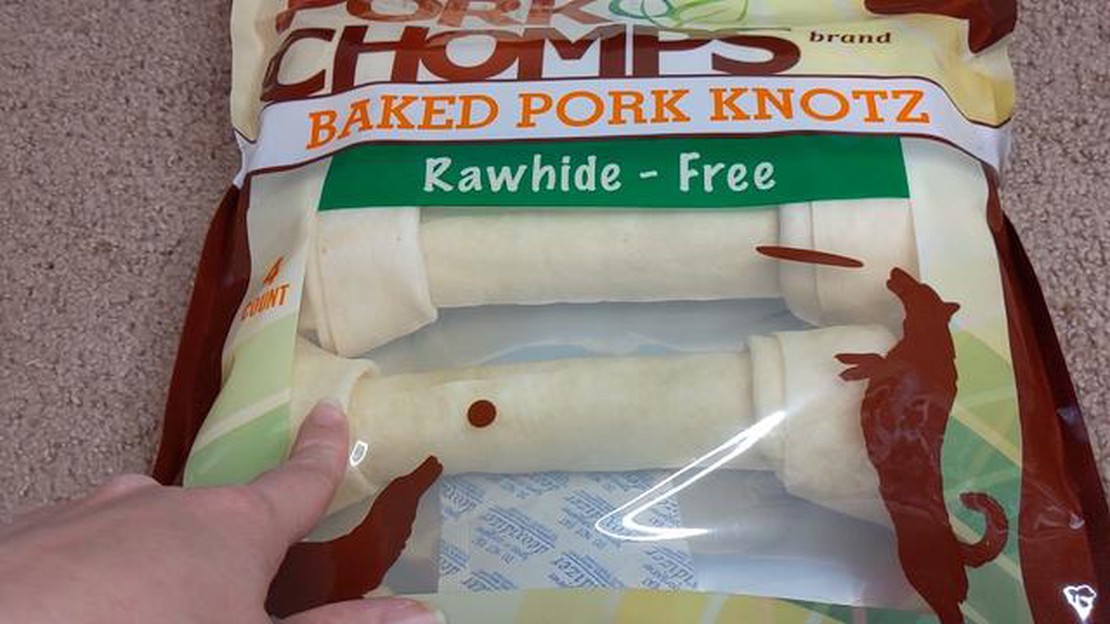
Have you been standing in the pet store aisle, staring at those Pork Chomps treats and wondering if they’re actually safe for your furry friend? You’re not alone! As a dog parent, I’ve spent countless hours researching what treats are both enjoyable and safe for my pup. Today, I’m sharing everything I’ve learned about Pork Chomps to help you make an informed decision.
What Exactly Are Pork Chomps?
Before we dive into safety, let’s understand what these popular dog treats actually are.
Pork Chomps are dog treats made from dried pork skin (not rawhide!). They come in various shapes and sizes – from rolls and twists to knots and mini versions for smaller dogs. These treats are crunchy and chewy, making them super appealing to our canine companions.
The treats are processed by baking the high-quality pig skin, then rolling it to create a long-lasting chew that dogs absolutely love. Unlike some other treats on the market, Pork Chomps are free from artificial colors and flavors, which is definitely a plus in my book!
Are Pork Chomps Actually Safe for Dogs?
The short answer Yes Pork Chomps are generally safe for most dogs when given in moderation.
But let’s dive deeper into why they’re considered safer than some alternatives:
Digestibility – A Major Safety Factor
One of the biggest safety advantages of Pork Chomps is their digestibility According to a study conducted by the University of Illinois (a leading veterinary college), pork skin was found to be 9993% digested after a 24-hour period. This is incredibly important because
- Unlike rawhide which can remain in your dog’s system for days
- Pork Chomps are almost completely digested within 24 hours
- This significantly reduces the risk of intestinal blockages
This digestibility factor is why many vets and pet experts consider Pork Chomps a safer alternative to rawhide chews.
Pork Chomps vs. Rawhide: Safety Comparison
Let me break down why Pork Chomps are generally considered safer than traditional rawhide:
| Pork Chomps | Rawhide |
|---|---|
| Made from baked pork skin | Made from discarded cowhide |
| 99.93% digestible within 24 hours | Up to 50% remains in dog’s system after 24 hours |
| Free from harsh chemicals | Treated with chemicals like bleach, hydrogen peroxide, and formaldehyde |
| Lower risk of GI problems | Higher risk of intestinal blockages |
| No artificial flavorings (in most varieties) | Often braised with artificial flavorings |
Rawhide can actually swell up to four times its original size when wet, which creates a serious blockage risk if swallowed. That’s pretty scary when you think about it!
Benefits of Pork Chomps for Your Dog
These treats aren’t just safe – they actually offer some benefits for your pup:
-
Dental Health Support – The chewing action helps scrape away plaque, control tartar buildup, and stimulate gums. This can lead to fresher breath and healthier teeth.
-
Natural Source of Protein – Pork skin provides protein that supports muscle development and repair.
-
Lower in Calories – They’re relatively low in calories compared to some other treats, which is good for weight management.
-
Satisfies Natural Chewing Urge – Dogs have a natural desire to chew, and Pork Chomps provide a safer outlet for this instinct than your furniture or shoes!
Potential Risks to Be Aware Of
While Pork Chomps are generally safe, I’d be lying if I said they were 100% risk-free. Here are some potential concerns to keep in mind:
1. Choking Hazard
Like any chew, Pork Chomps can pose a choking risk, especially if your dog tries to swallow large pieces. This is why:
- Always choose the appropriate size for your dog
- Supervise your dog while they’re enjoying their Pork Chomp
- Take away small pieces once the treat has been mostly consumed
2. Digestive Issues
Some dogs may experience digestive upset, particularly if:
- They have sensitive stomachs
- They’re not used to pork products
- They consume too much at once
The high fat content in pork skin can cause upset stomachs, vomiting, or diarrhea in some sensitive pups.
3. Allergic Reactions
Just like humans, dogs can be allergic to specific proteins. Some dogs may have allergic reactions to pork. Watch for signs like:
- Itching
- Redness
- Swelling
- Difficulty breathing
If you notice any of these symptoms, discontinue the treats immediately and consult your vet.
4. Dental Damage
For aggressive chewers, hard chews like Pork Chomps might potentially cause broken teeth. This is why supervision is so important!
How to Give Pork Chomps Safely
If you’ve decided to give Pork Chomps a try, here are some tips to make the experience as safe as possible:
-
Choose the right size – Match the chew to your dog’s size and chewing style. Smaller dogs need smaller treats to prevent choking.
-
Supervise always – Never leave your dog alone with any chew treat, including Pork Chomps.
-
Limit to one per day – Based on the digestibility study, it’s recommended to give no more than one chew per 24-hour period.
-
Introduce gradually – If your dog has never had Pork Chomps before, start with a small piece to see how they react.
-
Store properly – Keep Pork Chomps in a cool, dry place away from direct sunlight to prevent bacterial growth.
-
Fresh water available – Always ensure your dog has access to fresh water when enjoying chewy treats.
-
Know when to take it away – If the chew starts breaking into smaller pieces that could be swallowed, it’s time to take it away.
Alternatives to Pork Chomps
If you’re not convinced Pork Chomps are right for your dog, or if your dog has an allergy to pork, here are some alternatives to consider:
-
Natural Chews – Bully sticks or antlers can be good options (though they come with their own considerations).
-
Homemade Treats – Dehydrated sweet potatoes or apples make great chews and let you control the ingredients.
-
Specialized Dental Chews – Many veterinary-approved dental chews are available that help with oral health.
-
Rubber or Nylon Chew Toys – Non-edible options like Kong toys can be stuffed with treats for added interest.
What Dog Owners Are Saying
From my research and conversations with other dog parents, the consensus is generally positive. Many dog owners appreciate that Pork Chomps last longer than other treats. As one customer mentioned:
“I’ve been trying a few different alternative rawhides and treats for my new lab puppy. Most don’t last more than a few minutes. These however last at least an hour or more!”
However, as with any pet product, experiences vary based on the individual dog’s preferences and digestive system.
FAQs About Pork Chomps
Q: How often can my dog have a Pork Chomp?
A: It’s generally recommended to limit to one chew per 24-hour period, as that’s approximately how long it takes for a Pork Chomp to be fully digested.
Q: Can Pork Chomps cause blockage?
A: While Pork Chomps are highly digestible (almost 99% within 24 hours), there’s always a small risk of blockage if large pieces are swallowed. That’s why supervision is important.
Q: Where are Pork Chomps made?
A: Pork Chomps are manufactured in a state-of-the-art facility in Vietnam that’s certified by the Global Food Safety Initiative (GFSI), the same board that governs food production worldwide.
Q: Are there any dogs who shouldn’t eat pork?
A: Yes, some dogs should avoid pork products, including:
- Dogs with known allergies to pork
- Dogs with sensitive stomachs
- Puppies under 6 months old
- Dogs with certain medical conditions (always consult your vet)
Q: Can Pork Chomps help with my dog’s bad breath?
A: Yes! The chewing action helps scrape away plaque and control tartar, which can improve breath and overall dental health.
The Bottom Line
Pork Chomps are generally a safe alternative to rawhide for most dogs when given in moderation and with proper supervision. They offer benefits like improved dental health and satisfaction of natural chewing urges, while being more digestible than rawhide.
However, every dog is different, and what works for one might not work for another. I always recommend checking with your vet before introducing any new treats, especially if your dog has existing health concerns, dietary restrictions, or is a particularly aggressive chewer.
Remember, the safest treat is one that’s appropriate for YOUR specific dog and given with proper supervision. Trust your instincts as a pet parent – you know your furry friend best!
Have you tried Pork Chomps with your dog? I’d love to hear about your experience in the comments below!
Disclaimer: While I’ve researched this topic thoroughly, I’m not a veterinarian. Always consult with your vet before introducing new treats to your dog’s diet, especially if they have existing health conditions.