
Alright, dog parents! Let’s talk about something that’s been on my mind lately – homemade dog treats. I’ve been wondering if all those Pinterest recipes and cute bone-shaped cookies are actually worth the effort. Are homemade dog treats good for dogs, or am I just falling for another pet owner trend?
After diving deep into research and testing some recipes with my own fur babies, I’ve got some juicy insights to share with you! Spoiler alert your pup might be drooling by the end of this article
Why Consider Making Your Own Dog Treats?
Let’s be real – we all want what’s best for our four-legged family members. Store-bought treats are convenient, but have you ever flipped the package over and tried to pronounce those ingredients? I certainly struggle with “butylated hydroxyanisole” (yikes!).
Here’s the truth homemade dog treats can be extremely beneficial for your pup, but there are some things you should know before jumping into the kitchen with your apron on.
7 Reasons Homemade Dog Treats Are Actually Good for Your Dog
1. You Control What Goes In Them
This is probably the biggest advantage When I make treats for my pooches, I know exactly what’s in them – no mysterious chemicals or additives.
Commercial dog treats often contain fillers like:
- Soy
- Wheat
- Corn
- Preservatives like BHA and BHT (which have been linked to cancer!)
According to research from ManyPets, these preservatives have been associated with not just cancer, but BHT has been linked to liver and kidney damage in studies with rats. That’s definitely not something I want my furry friend consuming!
2. You Can Customize for Your Dog’s Specific Needs
Does your pup have food allergies? Is Fido on a diet? No problem!
When you make treats at home, you can:
- Avoid specific allergens your dog reacts to
- Control calorie content for weight management
- Add ingredients that support specific health issues
For example, if your dog is anemic, you could incorporate beef liver into their treats. My friend’s dog had joint issues, so she added turmeric to her homemade treats for its anti-inflammatory properties.
3. They’re Fresher and Often Tastier
Let’s be honest – which would you prefer: a fresh-baked cookie or one that’s been sitting on a shelf for months? Our dogs have preferences too!
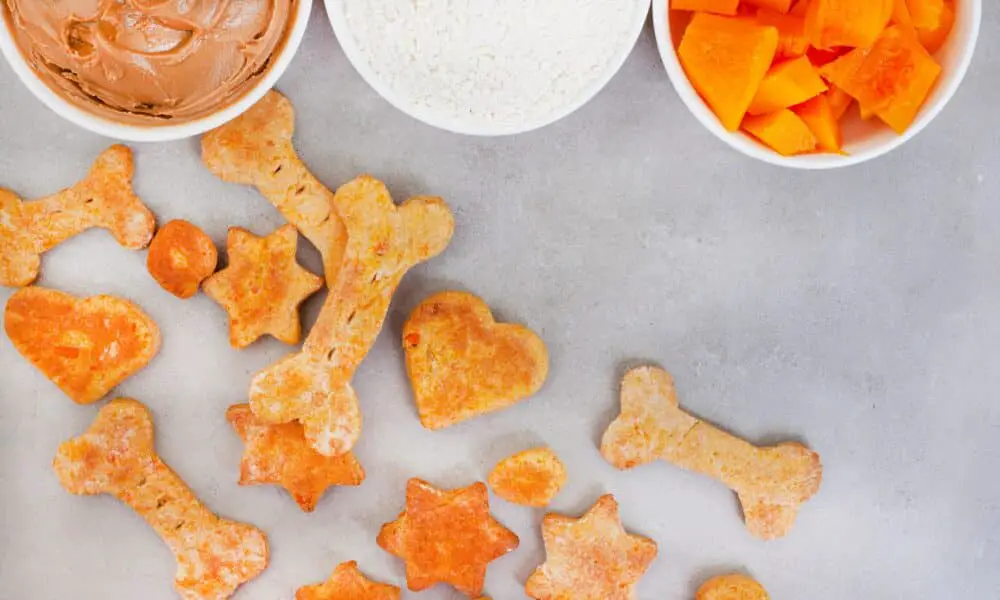
Homemade treats don’t need the same shelf-stabilizing ingredients that commercial ones do, which means they often taste better to our pups. My dog Barney literally does a happy dance when he smells his peanut butter pumpkin treats baking!
4. You Can Use Up Leftovers
This is one of my favorite perks! Got some leftover chicken or turkey? Turning almost-bad bananas into treats instead of tossing them? That’s a win-win!
Using leftovers in dog treats helps:
- Reduce food waste
- Save money
- Lower your pet’s carbon “pawprint” (sorry, couldn’t resist the pun!)
5. More Bonding Time With Your Pup
There’s something special about making treats specifically for your dog. My kids and I set aside cookie-making days where we bake for ourselves AND for the dogs. It’s become a cherished family tradition that everyone enjoys – especially the pups who get to taste-test!
6. Less Preservatives and Chemicals
Commercial dog treats need to last on shelves for months or even years. To achieve this, manufacturers add preservatives that aren’t always the best for your dog’s health.
When you make treats at home, they might not last as long, but they’re free from potentially harmful chemicals. I’ll take fresh over preserved any day for my furry friends!
7. They Can Be More Economical (Sometimes)
Depending on the ingredients you use, homemade treats can actually save you money. Especially if you:
- Buy ingredients in bulk
- Use leftovers or ingredients you already have
- Make simple recipes with few ingredients
But Wait… There Are Some Downsides Too
I wouldn’t be giving you the full picture if I didn’t mention some of the challenges of homemade dog treats. Let’s keep it real!
1. They Take Time to Make
Between work, kids, and everything else on my plate, finding time to bake dog treats isn’t always easy. Commercial treats are definitely more convenient – just open the bag and you’re good to go!
2. They Don’t Last as Long
Without preservatives, homemade treats typically have a shorter shelf life:
- Counter storage: About 1 week
- Refrigerator: Up to 2 weeks
- Freezer: Up to 8 months (or 2 years if vacuum sealed!)
You’ll need to make smaller batches or have proper storage solutions.
3. You Need to Know Which Ingredients Are Safe
This is SUPER important! Many human foods are toxic to dogs, including:
- Chocolate
- Grapes and raisins
- Xylitol (an artificial sweetener in some peanut butter)
- Macadamia nuts
- Onions and garlic
- Nutmeg
- Uncooked yeast dough
Always check that your ingredients are dog-safe before using them!
Essential Ingredients for Healthy Homemade Dog Treats
Most basic dog treat recipes include some combination of:
- Peanut butter (make sure it’s xylitol-free!)
- Pumpkin puree (great for digestion)
- Oats (fiber-rich and filling)
- Flour (whole wheat or grain-free alternatives)
- Water or broth (for moisture)
You can also add:
- Carrots
- Apples (no seeds!)
- Bananas
- Sweet potatoes
- Cheese (in moderation)
- Meat (well-cooked)
Easy Homemade Dog Treat Recipes to Try
Ready to get started? Here are a few simple recipes that my dogs absolutely LOVE:
1. Basic Peanut Butter Pumpkin Treats
Ingredients:
- 2 cups whole wheat flour
- ½ cup peanut butter (xylitol-free)
- ½ cup pumpkin puree
- 2 eggs
- Water as needed
Instructions:
- Mix all ingredients together until you form a dough
- Roll out to ¼ inch thickness
- Cut into shapes with cookie cutters
- Bake at 350°F for 20-25 minutes until golden
2. Frozen Yogurt & Pumpkin Treats
Perfect for hot summer days!
Ingredients:
- 1 cup plain yogurt
- 1 cup pumpkin puree
Instructions:
- Mix ingredients well
- Pour into ice cube trays or silicone molds
- Freeze until solid
- Store in freezer bags
3. Chicken and Wild Rice Treats
These are almost like a mini meal and great for training!
Ingredients:
- 1 cup cooked chicken, finely chopped
- ½ cup cooked wild rice (or brown rice)
- 1 egg
- 2 tablespoons chicken broth
- 1 cup whole wheat flour
Instructions:
- Mix all ingredients to form a dough
- Roll out and cut into small shapes
- Bake at 350°F for 15-20 minutes
The Great Flour Debate: What Type Should You Use?
There’s some controversy about wheat for dogs. Most dogs can safely consume flour unless they have grain or gluten sensitivity. I use whole wheat flour in my dog treats, and my pups handle it well.
If you’re concerned, you can use alternative flours like:
- Oat flour
- Chickpea flour
- Coconut flour
- Rice flour
Remember, what works for one dog might not work for another. Pay attention to how your dog reacts to different ingredients.
How Many Homemade Treats Should You Give?
I have to remind my dad about this EVERY time he visits – moderation is key! Dogs would happily eat treats all day if we let them, but that doesn’t mean they should.
A good rule of thumb:
- Treats should make up no more than 10% of your dog’s daily caloric intake
- 1-2 treats per day is typically appropriate
- For training, make smaller treats or break larger ones into pieces
Storage Tips for Homemade Dog Treats
To keep your homemade treats fresh:
- Counter storage: Use an airtight container for dry, crunchy treats (up to a week)
- Refrigerator storage: Store moist treats in the fridge (up to 2 weeks)
- Freezer storage: Freeze in portion-sized bags for longer-term storage (up to 8 months)
Pro tip: Label your treats with the date you made them so you know when they should be used by!
The Bottom Line: Are Homemade Dog Treats Worth It?
After all my research and personal experience, I’m convinced that homemade dog treats ARE good for dogs – with some caveats.
They’re definitely healthier when made with quality ingredients and proper knowledge of what’s safe for dogs. The control over ingredients alone makes them worth considering, especially if your dog has specific dietary needs.
But they’re not always practical for everyone’s lifestyle. If you’re super busy or on a tight budget, there’s no shame in choosing high-quality commercial treats!
What matters most is that you’re thinking about your dog’s health and happiness. Whether you’re a master dog treat baker or prefer the convenience of store-bought, your pup is lucky to have someone who cares enough to even consider what’s best for them.
Have you tried making homemade treats for your dog? I’d love to hear about your experiences in the comments! And if you have any questions about ingredients or recipes, just ask away – we’re all in this together as dog parents!
Your cart is empty
A growing number of pet parents have bid adieu to store-bought pet treats and started making their companions’ snacks at home, and we at Fera Pet Organics are in full support of this budding trend. There are many great benefits to homemade pet treats that you just won’t find in a bag of commercial treats.
Here’s why we love homemade pet treats vs. store-bought and some fun and easy recipes that you can try at home today.
Why We Love Homemade Pet Treats
Many store-bought treats contain artificial additives, preservatives, and fillers that may not be the healthiest option for your pet. By crafting treats at home, you have full control over what ingredients go into your furry friend’s treats. Whether you choose fruits, vegetables, or a good pet supplement, you have the power to ensure they enjoy a wholesome and nutritious snack every time.
The easiest homemade dog treat recipe! #shorts #dogtreats #recipe #baking #homemade #dogs #dachshund
FAQ
Are homemade treats better for dogs?
Homemade treats are made with ingredients that contain less fat than store-bought snacks. Giving your dog fat-free or reduced-fat snacks will not only help your dog have a healthier heart, but will also help decrease the chances of him becoming obese later in his life.
What do vets think of homemade dog food?
“There are many inadequate, and sometimes dangerous recipes, available to owners,” says Dr. Larsen. “There are now many studies demonstrating that most of these are not balanced.” Some of these may cause deficiencies in your dog’s diet, while others may lead to an excess of certain nutrients.
What homemade dog treats are good for your dog?
- Pumpkin Puree — easy on the tummy and adds moisture to these bites.
- Applesauce — a great dose of fiber, vitamin c, and also adds a ton of moisture!
- Peanut Butter — your dogs favorite treat!
- Plain Yogurt — provides a dose of calcium and is loaded with probiotics!
- Bacon
- Old-Fashioned Oats
What are common mistakes in homemade dog food?
- Only Using Social Media to Learn How to Feed Your Dog. …
- Using Untested Dog Food Recipes. …
- Not Customizing Recipes for Your Dogs. …
- Not Providing Necessary Vitamins and Minerals. …
- Not Consulting with a Veterinarian.