
Worms in dogs are more than just gross, they can make your pup feel miserable and spread to other pets or even people. Roundworms, tapeworms, hookworms, and whipworms are the usual suspects behind stomach troubles and weight loss in dogs.
If you’re wondering how to get rid of worms in dogs quickly, you’re not alone. Many pet parents want safe, natural ways to clear out these parasites fast. In this guide, I’ll share how to spot signs of worms, what kills worms in dogs instantly, and simple home remedies that can help keep your dog healthy and worm-free.
Discovering that your furry friend has worms is never a pleasant experience. As pet parents, we want to solve the problem quickly without breaking the bank on vet visits. The good news? Yes, you can effectively treat worms in dogs using over-the-counter options in many cases. At The Pet Vet, we’ve helped countless dog owners navigate parasite problems with accessible solutions.
Understanding Dog Worms: The Unwelcome Guests
Before diving into treatment options, it’s important to recognize what we’re dealing with. Dogs commonly suffer from several types of worms:
- Roundworms – Cause potbelly appearance, diarrhea, and lethargy
- Hookworms – Lead to anemia, bloody stool, and weakness
- Tapeworms – Result in scooting and visible segments in stool
- Whipworms – Cause diarrhea, weight loss, and dehydration
- Heartworms – The most dangerous type, affecting the heart and lungs
Common symptoms of worm infestations include:
- Visible worms in feces or vomit
- Weight loss despite normal eating
- Diarrhea (sometimes with blood)
- Bloated abdomen, especially in puppies
- Scooting across the floor
- Lethargy and reduced energy
- Dull coat appearance
OTC Deworming Options: Your First Line of Defense
Over-the-counter dewormers can be highly effective for treating common worms in dogs. These products are readily available at pet stores, online retailers, and some supermarkets without requiring a prescription.
Popular OTC Dewormer Types
| Dewormer Type | Target Worms | Usage Tips |
|---|---|---|
| Pyrantel Pamoate | Roundworms, hookworms | Administer based on weight; follow instructions closely |
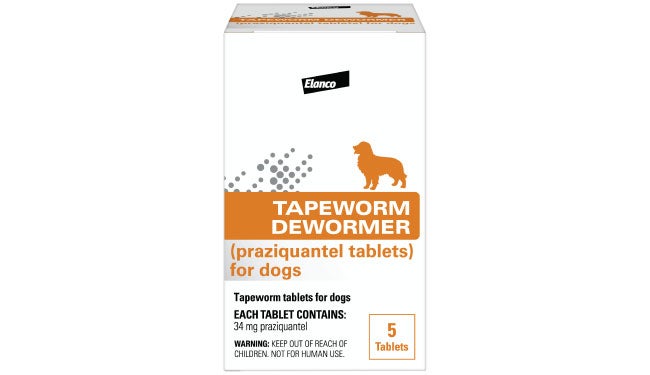
| Praziquantel | Tapeworms | Often in chewable form; ensure proper dosage by weight |
| Fenbendazole | Broad-spectrum for several worm types | Safe for multiple doses; good for persistent cases |
Most OTC dewormers begin working within hours with dead worms often appearing in stool within 24-48 hours. Complete elimination may take several days to weeks depending on the severity of infestation.
“I was worried when I saw those little rice-like segments in my Lab’s poop, but the OTC dewormer from Petco cleared up his tapeworms in just a few days!” – Sarah, Boston
When to Use OTC Dewormers vs. When to See a Vet
OTC dewormers work best for
- Known, simple infestations of common worms
- Situations where a veterinarian has previously diagnosed the specific worm type
- Regular preventative deworming of adult dogs with low risk factors
However, there are limitations to consider. OTC options:
- May not be as potent as prescription alternatives
- Might not address all types of worms
- Can be ineffective if dosing isn’t correct
- Won’t help identify the wrong parasite type
The Natural Approach: Complementary Options
While OTC medications are often the most effective solution, some natural remedies may help support treatment or serve as preventative measures. These shouldn’t replace medical dewormers for active infestations but can complement your approach.
Food-Based Remedies
- Pumpkin seeds – Contains cucurbitacin that may paralyze parasites
- Carrots – Fiber-rich and may help scrape worms from intestines
- Coconut oil – Has mild antiparasitic properties
- Apple cider vinegar – May alter gut pH to create an unfriendly environment for worms
I’ve found that grinding pumpkin seeds and mixing them into my dog’s food provides an easy way to incorporate this natural remedy into their diet. Start with small amounts – about 1/4 teaspoon per 10 pounds of body weight.
Monthly Preventatives: Long-Term Protection
Many dog owners already use monthly preventative medications to protect against heartworm disease. What you might not realize is that many of these preventatives also control various intestinal parasites.
Popular preventative options include:
- Heartgard Plus (ivermectin/pyrantel) – Controls heartworms, roundworms, and hookworms
- Sentinel (milbemycin oxime/lufenuron) – Controls heartworms, roundworms, hookworms, and whipworms
- Revolution (selamectin) – Controls heartworms, roundworms, and hookworms
The advantage of these monthly treatments is that they not only treat existing infestations but also prevent new ones from developing. Setting calendar reminders helps ensure you never miss a dose.
Prevention: The Best Medicine
As we always say at Bestie Paws, prevention is better than cure! Here are essential strategies to keep your dog worm-free:
- Regular cleaning – Promptly remove dog waste from your yard
- Quality diet – A nutritious diet strengthens your dog’s immune system
- Flea control – Fleas can transmit tapeworms, so regular prevention is crucial
- Regular deworming schedule – Adult dogs typically need deworming every 3-6 months
For outdoor dogs who are at higher risk, increase the frequency of preventative measures and keep their environment as clean as possible.
Monitoring Treatment Success
How do you know if your OTC treatment is working? Look for these signs of improvement:
- Better appetite and energy levels
- More regular, well-formed stools
- Absence of visible worms in stool after initial expulsion
- Improved coat condition
- Weight gain if previously losing weight
If symptoms persist after two weeks of treatment, it might be time to consult with a veterinarian for a more targeted approach.
When to Skip the OTC Route and See a Vet
While we love saving money with OTC options, some situations require professional care:
- Puppies – They’re more vulnerable to worms and dehydration
- Pregnant dogs – Require special consideration for medication safety
- Severe symptoms – Blood in stool, severe lethargy, or significant weight loss
- Heartworm suspicion – Requires professional diagnosis and treatment
- Failed OTC treatment – If symptoms persist after proper OTC treatment
According to research published by the Centers for Disease Control and Prevention, proper veterinary protocols dramatically improve outcomes in severe parasitic infections, particularly when zoonotic parasites (those that can transfer to humans) are involved.
Frequently Asked Questions
Can puppies be treated with OTC dewormers?
While some OTC dewormers are labeled safe for puppies, they’re more vulnerable to worm complications. For puppies under 6 weeks, veterinary consultation is strongly recommended. Puppies 6-12 weeks may use gentle remedies with vet advice, while those over 12 weeks might safely use OTC dewormers specifically labeled for puppies.
Can humans catch worms from dogs?
Yes, some dog worms like roundworms and hookworms can infect humans. Regular deworming of pets and good hygiene practices help prevent transmission. Always wash hands after picking up dog waste and maintain a clean environment.
How often should I deworm my dog as prevention?
For adult dogs in low-risk environments, deworming every 3-4 months is generally sufficient. Puppies need more frequent deworming, while dogs in high-risk situations (outdoor dogs, those exposed to many other animals) might benefit from treatment every 1-2 months.
Is it safe to use garlic to treat worms in dogs?
Despite some claims, garlic is potentially toxic to dogs in larger amounts. While small amounts may not cause immediate harm, garlic contains compounds that can damage red blood cells. We recommend sticking with safer alternatives like pumpkin seeds or OTC dewormers.
The Bottom Line
Yes, you absolutely can treat worms in dogs with over-the-counter products in many cases. OTC dewormers provide an effective, affordable option for managing common worm infestations. Combined with preventative measures and natural supportive remedies, you can keep your furry friend healthy and worm-free.
Remember that while OTC options work well for many situations, severe cases, puppies, and certain types of worms (especially heartworms) require veterinary care. When in doubt, a quick call to your vet can help determine if your situation is appropriate for OTC treatment.
Have you dealt with worms in your dog? What OTC solutions worked best for you? Share your experience in the comments below!
Note: This article is for informational purposes only and does not replace professional veterinary advice. If your dog shows severe symptoms or doesn’t improve with OTC treatment, please consult a veterinarian.
What kills worms in dogs instantly?
Prescription dewormers from your vet usually work the fastest. Some natural remedies, like pumpkin seeds or diatomaceous earth, may help but they don’t kill worms instantly. Always talk to your vet before trying any treatment.
Signs That Your Dog Has Worms
Sometimes worms stay hidden until they cause bigger problems, so it helps to know what to watch for. Some of the most common signs of worms in dogs include:
- A bloated belly, especially in puppies
- Scooting or dragging their rear on the ground
- Visible worms or eggs in their poop or around their rear
- Vomiting (sometimes with worms in it — gross but true)
- Diarrhea, sometimes with blood or mucus
- Weight loss despite eating normally
- Dull coat or rough fur
- Coughing (especially with roundworms or lungworms)
If you notice any of these symptoms, don’t panic, but do act fast. Worms in dogs can be cleared up, but early treatment keeps your dog healthier and reduces the chance they’ll pass worms to other pets or family members.