
Many things can influence how much water your dog drinks every day, from the weather to your pet’s exercise, diet, and medical conditions.
Excessive thirst, which is known medically as polydipsia, can often go unnoticed. However, it’s important to know how much water your dog normally drinks so you’ll notice any change in their routine. Drinking a lot of water can be a sign that something is wrong, and an early diagnosis of a medical condition often makes treatment simpler and less invasive.
Learn more about why your dog’s water intake may have increased and what your next steps should be.
Have you ever walked into your living room to find yet another puddle courtesy of your furry friend? I know I have. It’s frustrating, especially when you’re in the middle of housetraining. You might be wondering: “Should I limit my dog’s water intake to prevent accidents?” This question has crossed the mind of many pet parents (including myself!), but the answer isn’t as simple as you might think.
As someone who’s worked with dozens of puppies and adult dogs, I’ve seen firsthand how proper hydration impacts canine health. Let’s dive into what you need to know about your dog’s water needs, the dangers of restriction, and better solutions for those puddle problems.
Why Water Is Essential for Your Dog’s Health
Water isn’t just important for your dog—it’s absolutely critical. About 60% of your dog’s body weight is water! That’s a huge amount, and it serves many vital functions
- Regulates body temperature
- Transports nutrients and oxygen to cells
- Removes waste products from the body
- Maintains healthy skin, muscles, and joints
- Assists with digestion and nutrient absorption
Without enough water, your dog’s body simply can’t function properly. Think of water as the oil that keeps your car running—without it, the engine seizes up.
How Much Water Should Your Dog Drink?
The standard guideline is that dogs need about 1 ounce of water per pound of body weight daily. However, this varies based on several factors:
| Factor | Effect on Water Needs |
|---|---|
| Size | Larger dogs need more water than smaller dogs |
| Age | Puppies and senior dogs often need more water |
| Activity level | Active dogs need more water to replace what’s lost through panting and exercise |
| Diet | Dogs eating dry kibble need more water than those on wet food |
| Weather | Hot weather increases water requirements |
| Health status | Certain medical conditions affect water needs |
Dr. Tracy Johnson, a veterinarian quoted in the Crossbones Dog Academy article, points out that “You don’t know how much water is appropriate for each individual puppy.” This is so true! Every dog is different, and their needs can change day to day.
The Dangers of Limiting Your Dog’s Water
I’ve seen some concerning trends in my work with dogs Some owners restrict water access in hopes of preventing accidents during housetraining. While this might seem logical on the surface, it can lead to serious problems
1. Dehydration
Dehydration is no joke. It can happen quickly, especially in puppies, and can lead to
- Decreased blood volume
- Reduced blood pressure
- Impaired organ function
- Kidney damage
- Heatstroke
- In severe cases, even death
Signs of dehydration include excessive panting, dry gums, lethargy, sunken eyes, and dark urine. If you notice these symptoms, contact your vet immediately!
2. Water Obsession
When access to water is limited, dogs can develop unhealthy behaviors around water. They may:
- Drink excessively whenever water is available
- Develop resource guarding around water
- Seek out inappropriate water sources like toilets or puddles
- Become anxious around water
As noted in the Crossbones article, “If water is limited, you will condition your puppy to drink all of the water every time you put the bowl down.”
3. Urinary Tract Infections and Other Health Issues
Restricting water intake is a common cause of urinary tract infections (UTIs). According to Crossbones Dog Academy, more than half of puppies with restricted water intake in their Day School program were diagnosed with UTIs within just a few days!
Dr. Julie Mahaney, a veterinarian quoted in their article, states that “Water restriction can result in dehydration, urinary tract infections, bladder stones, and water obsessive behaviors.”
Other potential health issues include:
- Bladder stones
- Kidney damage
- Increased risk of heat stroke
- Electrolyte imbalances
4. Overhydration When Water Is Available
Dogs who’ve had their water restricted often drink too much when they finally get access. This can lead to:
- Vomiting
- Water intoxication (yes, that’s a real thing!)
- Bloat (gastric torsion) – a life-threatening emergency
When Short-Term Water Management Makes Sense
Is there ever a time when it’s OK to manage your dog’s water? Yes, but it’s very limited:
- Picking up the water bowl 30-60 minutes before bedtime can prevent a full bladder during overnight crating
- Before long car rides (to reduce the need for potty breaks)
- Under specific veterinary guidance for certain medical conditions
These are temporary measures, not long-term solutions. As SmallDogGuides emphasizes, “While it is essential to ensure your dog has access to plenty of fresh water, it is also important to monitor their intake.”
Better Solutions for Housetraining Issues
If accidents are your main concern, here are some better approaches than limiting water:
1. Establish a Consistent Schedule
- Take your dog out first thing in the morning
- After meals and playtime
- Before bedtime
- Every 1-2 hours for young puppies
2. Learn Your Dog’s Signals
Most dogs will give signs when they need to go out, like:
- Circling
- Sniffing the floor
- Whining
- Pacing
- Standing by the door
3. Crate Training
When done properly, crate training can be very effective for housetraining. Dogs naturally avoid soiling their sleeping area. Just don’t leave them crated too long!
4. Positive Reinforcement
Reward your dog for going potty outside! Treats, praise, and play can reinforce that outside is the place to do business.
5. Clean Accidents Properly
Use an enzymatic cleaner specifically designed for pet accidents. Regular household cleaners won’t completely remove the scent, which can attract your dog back to the same spot.
When to Be Concerned About Water Intake
Abnormal water consumption (either too much or too little) can signal health problems. Contact your vet if you notice:
- Excessive thirst that’s unusual for your dog
- Refusing to drink water
- Frequent urination
- Accidents in a previously housetrained dog
These could indicate conditions like diabetes, kidney disease, urinary tract infections, or Cushing’s disease.
Monitoring Your Dog’s Hydration
How can you tell if your dog is properly hydrated? Here are some tips:
- Check the gums – they should be moist and pink
- Gently pinch the skin on your dog’s back – it should quickly return to normal position
- Look at urine color – pale yellow is ideal, dark yellow indicates possible dehydration
- Monitor energy levels – lethargy can be a sign of dehydration
My Experience With Water Management
I’ve raised several puppies, and I made the mistake once of restricting water with my Lab puppy, Max. I thought it would help with housetraining, but instead, he developed an unhealthy obsession with water. Whenever he saw water anywhere, he’d lunge for it and drink excessively. It took months to undo this behavior.
Now, I always keep fresh water available and focus on frequent potty breaks instead. It’s more work in the short term, but much better for my dogs’ health and behavior in the long run.
Making Water More Appealing
Some dogs don’t drink enough water naturally. Here are some ways to encourage hydration:
- Keep multiple water bowls throughout your home
- Clean and refill bowls daily (or more often)
- Consider a pet fountain – many dogs prefer moving water
- Add a small amount of low-sodium broth to water (occasionally)
- Add ice cubes on hot days
- Make sure water bowls are appropriate size for your dog
The Bottom Line
While the idea of limiting water to prevent accidents might seem logical, the risks far outweigh any potential benefits. Proper hydration is essential for your dog’s health, and restricting water can lead to serious medical issues and behavioral problems.
Instead, focus on consistent potty breaks, positive reinforcement, and patience during housetraining. If you’re still struggling, consider consulting with a professional dog trainer or your veterinarian for personalized advice.
Remember what Dr. Johnson said: “You don’t know how much water is appropriate for each individual puppy.” Trust your dog to drink what they need, and address housetraining through better methods than water restriction.
Your dog’s health should always come first. A few accidents during housetraining are a small price to pay for a well-hydrated, healthy pet!
FAQ About Dog Water Intake
Q: My puppy drinks so much water and then has accidents. What should I do?
A: Instead of limiting water, increase the frequency of potty breaks. Take your puppy out every 30-60 minutes while awake, and consider keeping a log to identify patterns in drinking and elimination.
Q: Is it OK to remove water overnight?
A: It’s generally fine to pick up the water bowl about 30-60 minutes before bedtime for puppies who are being crate trained. Just make sure to provide fresh water first thing in the morning.
Q: How can I tell if my dog is drinking too much water?
A: Excessive drinking could indicate a medical issue like diabetes or kidney disease. If your dog seems unusually thirsty, consult your veterinarian.
Q: My vet suggested limiting my dog’s water intake. Should I do it?
A: If your veterinarian has specifically recommended water management for a medical condition, follow their instructions precisely. Ask for clarification about how much water to provide and when.
By keeping your dog properly hydrated and focusing on positive training methods, you’ll have a happy, healthy pup who eventually learns where to do their business—no water restriction required!
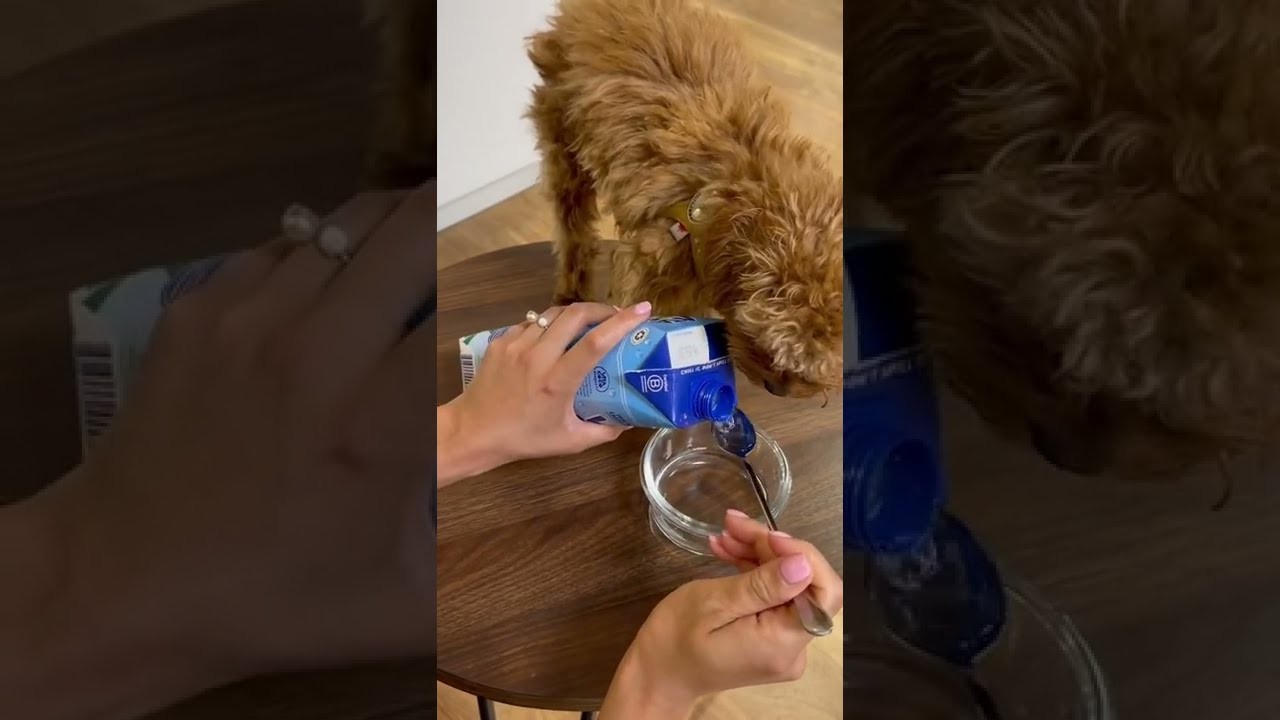
How to Determine How Much Your Dog Drinks Daily
To see how much water your dog is drinking, fill the water bowl to the same level at the same time every day. If you want to be precise, measure how much water you put in the bowl in the morning, then measure how much is left at the end of the day.
There are also bowls that have measurements on the side. This might not work if the bowl tends to spill or get tipped over by any pets or young children in the house.
If you have multiple pets and they are microchipped, you can get separate bowls that will open only to specific microchips, making it easier to isolate how much one dog is drinking daily.
But if you notice that your dog is drinking a lot more than usual or needing to go out to pee a lot more often, make an appointment to see the vet.
Try these water bowls and fountains to keep track of your dog’s water intake:
Why Is My Dog Drinking Lots of Water and Licking Their Paws?
These signs together can be caused by dehydration, allergies, pain, or even behavioral issues, including anxiety, stress, or cognitive dysfunction (the dog version of dementia).