
Being outside is great for a dog’s physical and mental health. Walking, running, sniffing, are all activities that help keep dogs happy and healthy.
But what should we do when it’s cold outside? When do the risks of spending time outside in the cold with your dog outweigh the benefits?
Let’s look at the dangers associated with cold weather, how cold is too cold for dogs, and how we can still safely enjoy the great outdoors with our dogs in the winter.
Winter is coming, and as a dog parent I’m getting kinda worried about my furry friend. Maybe you are too? One question that keeps popping up in my mind is what is the lowest temperature a dog can survive? It’s a legit concern especially if you live somewhere that gets super cold in winter.
So I did some digging, talked to some experts, and put together this guide to help us all keep our pups safe when temperatures drop to scary-low numbers. Let’s dive into what you need to know to protect your four-legged family member this winter.
Understanding Dogs and Cold Weather: The Basics
Dogs aren’t that different from us humans when it comes to feeling cold, but they do have some built-in advantages (and sometimes disadvantages) that affect how they handle chilly weather.
Most healthy adult dogs start feeling uncomfortable when temperatures drop below 45°F (7°C), But that’s just a general guideline – there’s a lot more to the story,
Factors That Affect Your Dog’s Cold Tolerance
Not all dogs react to cold the same way. Here’s what makes a difference:
- Breed and coat type: Dogs with thick double coats (like Huskies or Malamutes) can handle much colder temps than short-haired breeds
- Body size: Smaller dogs get colder faster than larger dogs because they have more surface area relative to their body volume
- Age: Puppies and senior dogs can’t regulate their body temperature as effectively
- Weight: Thin dogs with little body fat get cold quicker
- Health status: Dogs with certain health conditions may be more sensitive to cold
- Conditioning: Dogs that are used to cold weather handle it better than those who aren’t
- Coat color: Believe it or not, dogs with darker coats can absorb more heat from the sun
The Critical Numbers: What is Too Cold for Dogs?
So what’s the actual answer to our big question? What’s the lowest temperature a dog can survive?
The General Temperature Guidelines
For most dogs here’s what experts suggest
- 45°F (7°C): Some cold-sensitive dogs might start feeling uncomfortable
- 32°F (0°C): Small breeds, dogs with thin coats, very young, elderly, or sick dogs should be monitored closely
- 20°F (-6.7°C): All dogs are at risk for cold-related health problems like hypothermia and frostbite if outside for extended periods
- -10°F to -15°F (-23°C to -26°C): Most dogs can tolerate these temperatures only for short periods
- -20°F (-29°C): Prolonged exposure becomes life-threatening for most dogs
- -30°F (-34°C): Considered extreme and potentially fatal even for cold-adapted breeds
But remember, these numbers don’t tell the whole story! You gotta consider other factors too.
The Wind Chill Factor
Wind makes everything worse! Wind chill can make the air feel much colder than what the thermometer says. For example, if it’s 20°F (-6.7°C) with a 20 mph wind, it can feel like it’s 3°F (-16°C) – that’s a huge difference and much more dangerous for your pup.
Humidity and Moisture
High humidity makes the cold feel worse, and wet fur loses its insulating properties super fast. A dog who gets wet in cold weather can develop hypothermia really quickly, even if the actual air temperature isn’t that low.
Cold Weather Dangers for Dogs
When exposed to temps that are too low for them, dogs can develop several serious conditions:
Hypothermia
This happens when your dog’s body temperature drops below normal (which should be around 101-102.5°F or 38.3-39.2°C).
Signs of hypothermia include:
- Shivering (which may actually stop in severe cases)
- Weakness and lethargy
- Muscle stiffness
- Slow, shallow breathing
- Confusion or lack of alertness
- Pale or gray gums
- Fixed and dilated pupils
Frostbite
Just like humans, dogs can get frostbite on exposed areas like ear tips, tail, paw pads, and nose. Frostbite occurs when tissues freeze, causing damage that can be permanent.
Signs include:
- Pale, gray or bluish skin in the affected area
- Pain or tenderness when touched
- Skin that feels cold or brittle
- Swelling
- Blisters or skin ulcers
- Blackened or dead skin (in severe cases)
Cold Tolerance by Breed Type
I’ve found that different breeds have wildly different abilities to handle cold temps. Here’s a quick breakdown:
Cold-Weather Champions (Can Tolerate Very Low Temperatures)
- Siberian Huskies
- Alaskan Malamutes
- Samoyeds
- Newfoundlands
- Great Pyrenees
- Norwegian Elkhounds
- Saint Bernards
These breeds can potentially handle temperatures as low as -50°F (-46°C) for short periods, but that doesn’t mean they should be left outside in these conditions!
Cold-Sensitive Breeds (Need Extra Protection)
- Greyhounds
- Whippets
- Chihuahuas
- Boxers
- Pit Bulls
- Doberman Pinschers
- Dachshunds
- Basenjis
- Xoloitzcuintli (Mexican Hairless)
These dogs start getting uncomfortable below 45°F (7°C) and need protection when temps drop below freezing.
How to Protect Your Dog in Cold Weather
I always take these precautions with my own dog when it gets cold:
Winter Gear and Accessories
| Item | Purpose | Best For |
|---|---|---|
| Dog coats/jackets | Provide insulation and protection from elements | Small breeds, short-haired dogs, seniors |
| Dog boots | Protect paws from ice, snow, and road salt | All dogs in snowy/icy conditions or areas with road salt |
| Sweaters | Add extra warmth | Thin-coated or small breeds when it’s moderately cold |
| Insulated doghouse | Emergency shelter for outdoor time | Dogs who spend any time outdoors |
Time Limits for Cold Weather Exposure
Even with protection, I never leave my dog outside for too long in cold weather. Here are the guidelines I follow:
- Above 32°F (0°C): Most healthy, medium to large dogs can stay out for 30-60 minutes with proper shelter
- 20-32°F (-6.7 to 0°C): Limit time to 15-30 minutes for most dogs
- Below 20°F (-6.7°C): Quick potty breaks only (5-10 minutes)
- Below 0°F (-18°C): Absolute minimum time outside, just enough to relieve themselves
For small dogs or cold-sensitive breeds, I cut these times in half!
Creating a Warm Environment
Some other things I do to keep my pup warm:
- Provide a cozy bed away from drafts
- Use extra blankets during cold snaps
- Close off doggy doors at night when it’s super cold
- In really extreme conditions, I’ve even set up a heated dog bed (under supervision, of course!)
How to Tell if Your Dog is Too Cold
Your dog can’t tell you they’re cold in words, but they’ll definitely show you with these signs:
- Shivering or trembling
- Hunched posture with tail tucked
- Lifting paws off the ground or limping
- Whining or barking
- Acting anxious or looking for shelter
- Slowing down or refusing to move
- Seeking warmth by trying to go inside or cuddling up against you
If you notice any of these signs, it’s time to get your pup somewhere warm!
FAQs About Dogs and Cold Temperatures
How long can a dog survive in cold temperatures?
This depends on many factors, but generally:
- In mild cold (above 32°F/0°C) with shelter: healthy dogs can survive indefinitely
- In severe cold (below 0°F/-18°C): potentially only 30 minutes to a few hours before hypothermia becomes life-threatening
- In extreme cold (below -30°F/-34°C): survival time could be as short as 10-30 minutes
Can small dogs survive in cold temperatures?
Yes, but they’re more vulnerable due to their high surface-to-volume ratio. They lose heat faster and need extra protection like coats, limited outdoor time, and warm shelter. Small dogs should never be left outside in temperatures below freezing for more than a few minutes.
What if my dog loves the cold and wants to stay outside?
Even if your dog seems to enjoy cold weather (looking at you, Husky owners!), you still need to monitor them closely. Just because they’re not showing signs of discomfort doesn’t mean they’re not at risk for hypothermia or frostbite. Always provide shelter, fresh water, and check on them frequently.
Final Thoughts
So what is the lowest temperature a dog can survive? There’s no one-size-fits-all answer, but most dogs shouldn’t be exposed to temperatures below -20°F (-29°C) for any length of time, and many breeds would be in danger long before reaching that point.
The most important thing is to know YOUR dog – their breed, health, age, and individual tolerance. Watch for signs they’re uncomfortable, provide appropriate protection, and use common sense. If it feels too cold for you, it’s probably too cold for your dog too!
Remember, even the most cold-resistant dogs need shelter, water, and monitoring during extreme weather. Our furry friends depend on us to keep them safe, so let’s make sure we do right by them when the mercury drops!
What temperature limits have you set for your own dog in winter? I’d love to hear about your experiences in the comments!
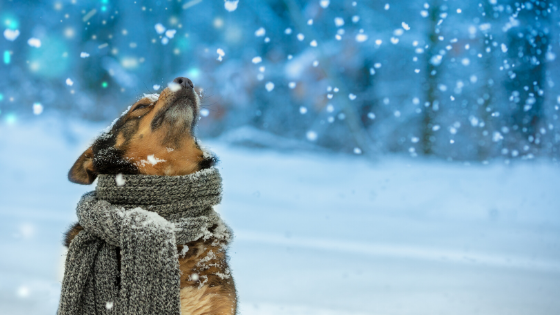
How Cold Is Too Cold for Dogs To Be Outside?
A temperature that feels comfortable to one dog might make another dog shiver. There are a few variables that affect how dogs respond to the cold and how cold is too cold for a pup.
Dogs with thick, double-layered coats tend to be the most cold-tolerant (think Siberian Huskies, Newfoundlands, and Samoyeds). Many of these breeds originated in northern climates and have attributes that allow them to thrive when temperatures drop.
However, dogs with exceptionally thin coats, like the Basenji and Xoloitzcuintli, may suffer in the cold and tend to do better when it’s warmer outside. If your dog has a very thin coat, you will want to consider bundling them up before heading outside.
It’s good to purchase dog sweaters like the Frisco Plaid Cable Knit Dog & Cat Sweater, and keep them in convenient locations so you’ll always have one on hand if you need it.
On a clear day, black, brown, or other dark-coated dogs can absorb significant amounts of heat from sunlight, keeping them warmer in comparison to dogs with light-colored coats.
Dogs lose most of their heat through their skin. Small dogs have a larger surface area to volume ratio compared to big dogs, which means, they have a bigger surface to lose heat through and a smaller area “inside” to hold on to heat. Therefore, small dogs get colder faster than large dogs, all other things being equal.
Body fat is a good insulator, so thin dogs become cold quickly. However, the health risks of being overweight far outweigh any benefits, so don’t let your dog pack on the pounds in preparation for winter.
We’ve all experienced this one. After the heat of summer, 55 F can feel frigid, but after a long, cold winter, the same temperature can make us break out a pair of shorts and a T-shirt. Dogs that are used to the cold handle it much better than those that aren’t used to cooler temperatures.
How To Keep Dogs Warm in the Cold
Most dogs don’t need help staying warm indoors or when it’s warmer outside. However, a cute dog sweater like the Chilly Dog Camel Alpaca Cable Knit Wool Dog Sweater or dog hoodie like the Frisco® Basic Hoodie, can help dogs with very thin coats stay warm when there’s a slight chill in the air.
Keep in mind, dog sweaters and fleeces won’t provide enough protection when weather conditions become more extreme.
For colder temperatures, bundle your pup in an insulated, windproof, and water-resistant dog coat instead. The Hurtta® Extreme Warmer III is a good option for extremely cold temperatures.
Paws need protection too. Cold temperatures, snow that accumulates between pads, ice, and chemicals used to treat roads and sidewalks all pose a risk to dog paws in the winter.
Look for dog booties that are waterproof, provide traction, and are tough enough to last. Rain boots like the Canada Pooch Waterproof Rain Dog Boots are a comfortable option for milder conditions, but heavier boots like the Muttluks Original Fleece-Lined Winter Dog Boots, are better for pups when winter truly sets in.