The number of dog food products on the market can make it very confusing for you to choose a diet that is appropriate for your pet. Not only are there tons of different brands and ingredients, but even the most basic choice of wet versus dry dog food can be overwhelming.
It’s important to always consult your veterinarian for more specific recommendations that best fit your dog’s lifestyle, but this article will go over the main differences between dry and wet dog food.
Have you ever stood in the pet food aisle, staring at endless options and wondering if your furry friend can thrive on just kibble? You’re not alone! As a dog owner myself, I’ve often questioned whether dry food provides everything my pup needs for a healthy life
The short answer is yes, dogs can generally live on dry food only – but there’s more to consider than just a simple yes or no. Let’s dive into the facts, benefits, and potential concerns of feeding your dog an exclusively dry diet
The Truth About Dogs and Dry Food
Millions of dogs worldwide live healthy lives eating nothing but dry dog food. In fact, when commercial dog food was first invented in the 1890s, dry kibble was the only option on the market. Wet food didn’t come along until about 30 years later. This historical context already tells us something important – dogs have been surviving and thriving on dry food for generations.
But surviving isn’t the same as thriving, right? So let’s look at what makes quality dry dog food a viable option for your furry companion.
The Science Behind Dry Dog Food
Good quality dry dog food is specially formulated to contain all the essential nutrients your dog needs
- Protein: Quality dry foods contain between 18-32% protein
- Fat: They provide 8-22% fat content
- Carbohydrates: These give your dog the energy they need
- Vitamins and minerals: These support overall health
Commercial dry foods are designed to be nutritionally complete, which means they contain everything your dog needs in the right proportions. This is why many veterinarians agree that dogs can absolutely live on just dry food.
Benefits of Feeding Dogs Dry Food Only
There are several advantages to sticking with a dry food diet:
1. Convenience
Let’s be honest – dry food is super convenient! It’s easy to store, doesn’t spoil quickly, and doesn’t create the mess that wet food can. For busy pet parents, this convenience factor is huge.
2. Cost-Effective
Compared to wet food, raw diets, or homemade meals, dry dog food is typically more affordable while still providing complete nutrition.
3. Dental Benefits
The crunchy texture of kibble can help reduce tartar buildup on your dog’s teeth. Many dental-focused dry foods are specifically designed to clean teeth as your dog chews.
4. Portion Control
Dry food makes it easier to measure proper portions, which helps prevent overfeeding and obesity.
Potential Concerns with Dry Food Only Diets
While dry food can be sufficient, there are some legitimate concerns to address:
1. Moisture Content
The biggest drawback of dry food is its low moisture content. Dogs need proper hydration, and dry kibble only contains about 10% moisture (compared to 70-80% in wet food).
Solution: Make sure your dog always has access to fresh water, and consider adding water or low-sodium broth to their kibble occasionally.
2. Quality Varies Widely
Not all dry dog foods are created equal. Some brands use fillers, artificial additives, and low-quality ingredients that provide minimal nutritional value.
Solution: Choose high-quality dry food with real meat as the first ingredient and avoid products with excessive fillers or artificial preservatives.
3. Individual Needs Vary
Some dogs have specific health conditions or dietary requirements that may not be adequately addressed by a standard dry food diet.
Solution: Consult with your vet about your dog’s specific nutritional needs, especially if they have health issues or are in different life stages (puppy, senior, pregnant, etc.).
What Veterinarians Say
Most vets agree that feeding a dog dry food only is perfectly acceptable, provided it’s a high-quality product that meets your dog’s nutritional needs.
As one veterinary nutritionist puts it: “Although dry food can provide the necessary nutrients for a dog’s health, it’s essential to supplement with fresh fruits and vegetables for added vitamins and minerals. Including a variety of foods in your dog’s diet can help prevent nutritional deficiencies and promote overall well-being.”
Another animal dietitian notes: “Some dogs may thrive on a dry food diet, while others may require a combination of different foods to meet their specific dietary needs. It’s important to monitor your dog’s weight, energy levels, and overall health to ensure that their diet is suitable for them.”
Common Concerns Answered
“Will my dog get dehydrated on dry food only?”
Possibly, if they don’t drink enough water. Always provide fresh water and monitor your dog’s hydration levels. Signs of dehydration include dry gums, lethargy, and loss of skin elasticity.
“Is dry food boring for my dog?”
Dogs don’t need variety in the same way humans do, but rotating between different flavors or occasionally adding toppers can keep mealtime interesting.
“Can puppies eat dry food only?”
Puppies have higher nutritional requirements for growth. Make sure to choose a puppy-specific formula if feeding dry food only.
“What about dogs with dental issues?”
Senior dogs or those with dental problems might struggle with hard kibble. Softening it with warm water can help.
How to Choose the Right Dry Food
If you’re going the dry food only route, selecting the right product is crucial:
- Check the ingredient list: Look for real meat as the first ingredient
- Avoid artificial additives: Steer clear of artificial colors, flavors, and preservatives
- Consider your dog’s life stage: Puppies, adults, and seniors have different nutritional needs
- Match activity level: Athletic dogs need more calories than couch potatoes
- Account for health conditions: Some dogs need special formulations for issues like allergies, weight management, or kidney disease
Transitioning to a Dry Food Only Diet
If your dog currently eats wet food or a mixed diet, transitioning gradually is important to prevent digestive upset:
- Days 1-3: 75% current food, 25% new dry food
- Days 4-6: 50% current food, 50% new dry food
- Days 7-9: 25% current food, 75% new dry food
- Day 10+: 100% new dry food
During this time, eliminate treats and table scraps to clearly assess how your dog responds to the new diet.
Signs Your Dog is Thriving on Dry Food
How can you tell if your dry food only diet is working for your pup? Look for these positive indicators:
- Healthy weight: Not too thin or overweight
- Shiny coat: Soft and lustrous fur
- Regular bowel movements: Firm, formed stools
- Good energy levels: Appropriate activity for age and breed
- Clear eyes: Bright and clear
- Healthy gums: Pink and moist
- Good appetite: Eats with enthusiasm
When Dry Food Only Might Not Be Enough
There are certain situations where a dry food only diet might not be sufficient:
- Dogs with certain medical conditions like kidney disease or urinary issues
- Dogs with food allergies or sensitivities who need limited ingredient diets
- Extremely active working dogs who may need additional calories
- Pregnant or nursing dogs who have increased nutritional demands
In these cases, consult with your veterinarian about the best dietary approach.
Enhancing a Dry Food Diet
If you want to stick with dry food as the main component but add some variety or nutritional boosts, consider these options:
- Add water or low-sodium broth to increase moisture content
- Mix in small amounts of fresh vegetables like carrots, green beans, or pumpkin
- Occasionally add an egg for extra protein
- Use healthy toppers like plain yogurt or cottage cheese in small amounts
- Incorporate omega-3 supplements like fish oil (with vet approval)
These additions can enhance nutrition while keeping dry food as the foundation of your dog’s diet.
The Bottom Line
Can dogs eat dry food only? Absolutely! Many dogs live long, healthy lives on quality dry food alone. The key factors are choosing a high-quality product, ensuring adequate hydration, and monitoring your dog’s overall health and wellbeing.
Remember that every dog is unique, with individual preferences and needs. What works for one may not work for another. I’ve found that my own dog does great on a primarily dry food diet with occasional fresh additions for variety.
The most important thing is to observe your dog closely and consult with your veterinarian if you have concerns about their diet. Together, you can determine the best nutritional approach for your specific furry friend.
Have you fed your dog a dry food only diet? What has your experience been? I’d love to hear about it in the comments!
Disclaimer: While this article provides general information about canine nutrition, it’s not a substitute for professional veterinary advice. Always consult your veterinarian regarding your dog’s specific dietary needs.
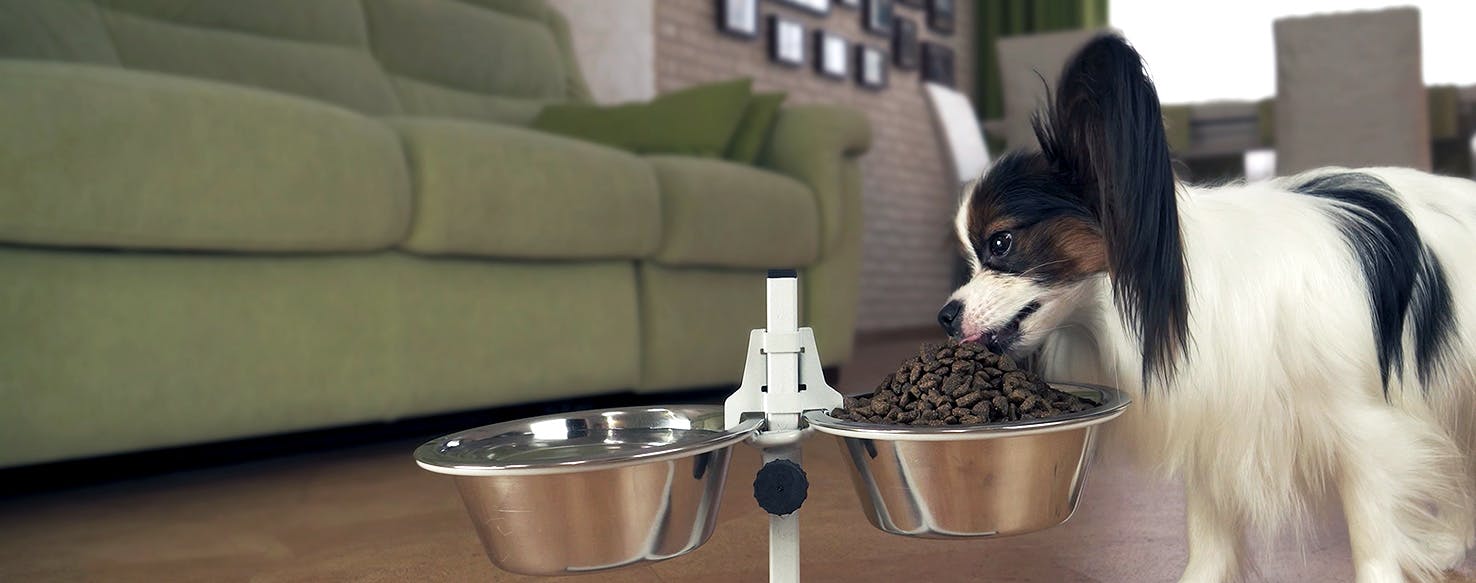
What’s the Difference Between Wet and Dry Dog Food?
Both dry dog food and wet dog food can provide nutritionally balanced diets, but the major difference is in the way they are processed.
Benefits of Wet Dog Food Compared to Dry Dog Food
Wet dog food, or “canned food,” sometimes provides benefits that dry food doesn’t offer, such as:
- Higher moisture content: Wet food may be a good choice if your dog doesn’t drink as much as they should, or if they have a medical condition that could benefit from proper hydration. One example would be a dog with a history of urinary or kidney disease.
- Palatability: Canned dog food is often more aromatic and flavorful when compared to dry food. This may entice sick or older dogs to eat if their appetite is decreased.
- Satiety: Wet dog food tends to create a longer-lasting feeling of being “full.” Increased satiety is useful in weight management, especially in dogs that seem to have a never-ending appetite.
- Easier to chew: Dogs that have dental disease or other oral abnormalities may find wet food easier to chew than dry food.
Homemade dog food for only $35 that last 3 months! My dog loves this #dogfood #homemadedogfood
FAQ
Is it bad for a dog to just eat dry food?
TLDR A diet of only dry food is perfectly healthy for your dog. A dry food/wet food combo is most likely okay, too. Don’t stress too much about it and let your dog’s overall health and needs determine the food you feed them.
Can dogs just have dry food every day?
No. You should only feed twice a day the recommended amount on the bag for your dog’s weight. (If it is a puppy, feed 3 times a day) When you leave out food, dogs don’t know when to stop, and it can lead to overweightness.
Can dogs live without wet food?
Definitely not necessary, as a matter of fact dogs that eat wet food are much more likely to develop periodontal diseases. Without the abrasion from kibble tartar builds up much faster. Most dogs prefer wet food though! If yours likes kibble better, you’re lucky.
Can dogs live off dry dog food?
Yes, dogs can eat only dry food, also known as kibble, and many dog owners choose this option for its convenience and long shelf life. High-quality dry dog food is formulated to provide all the essential nutrients that dogs need, including proteins, fats, carbohydrates, vitamins, and minerals.