
Ever looked at your furry friend and wondered if they’re feeling a bit off? As a dog owner, I’ve definitely had those moments where my pup seemed down or anxious for no apparent reason. It turns out our canine companions can indeed experience mental health issues similar to humans.
The Surprising Truth About Canine Mental Health
The answer to “can dogs have mental problems?” is a resounding yes. According to research from Emory University in 2013, dogs’ brains are remarkably similar to human brains especially in areas responsible for emotions. This explains why our four-legged friends can experience conditions like anxiety depression, and even obsessive-compulsive disorder (OCD).
I was shocked when I first learned this! Just like us about 1 in 5 dogs might experience some form of mental health challenge during their lifetime. As pet parents, it’s our responsibility to recognize the signs and get our furry friends the help they need.
Common Mental Disorders in Dogs
Let’s take a closer look at the most common mental health issues affecting our canine companions:
Anxiety
Anxiety is probably the most frequent mental health issue in dogs. It comes in several forms:
-
Separation Anxiety: Your dog panics when they suspect being left alone, showing signs like frantic barking, destructive behavior (goodbye, favorite shoes!), and even potty accidents despite being house-trained.
-
Fear-related Anxiety: Some dogs react fearfully to specific triggers like thunderstorms or fireworks. Look for excessive barking, hiding, panting, drooling, and trembling.
-
Social Anxiety: Often develops in dogs who experienced neglect, were rescued from puppy mills, or were strays. These pups might experience crippling anxiety around other dogs or humans, sometimes leading to aggression.
-
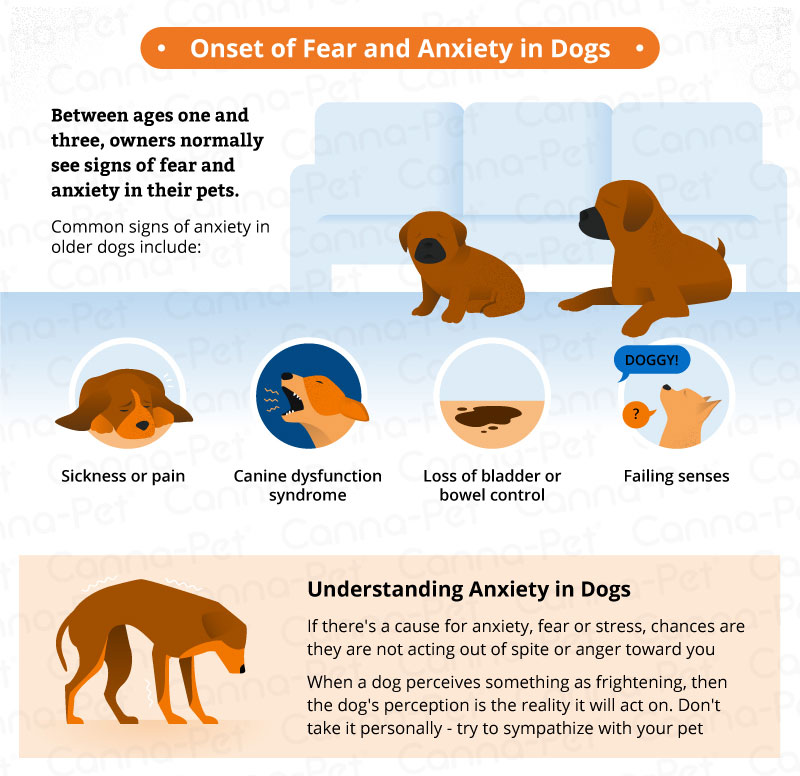
Age-related Anxiety: Senior dogs experiencing cognitive decline may develop anxiety similar to Alzheimer’s disease in humans. They might show aggression, confusion, destructive behavior, and housebreaking accidents.
-
Noise Anxiety: Loud noises can trigger extreme stress reactions in some dogs, similar to the symptoms seen with other anxiety types.
Depression
Yes, dogs can get the blues too! If you’ve recently moved or lost a family member (human or pet), you might notice your dog:
- Becoming lethargic
- Losing interest in activities they once enjoyed
- Experiencing changes in appetite
- Withdrawing from social interaction
- Sleeping more than usual
- Excessively shedding
- Showing sudden behavior changes
Obsessive-Compulsive Disorder (OCD)
Dogs with OCD show unusual fixations on certain objects or actions. They might:
- Excessively chase their tails
- Dig in the same spot repeatedly
- Chew on their food bowl
- Pace excessively
- Lick themselves obsessively (sometimes causing skin issues)
- Show repetitive behaviors that seem out of context
Post-Traumatic Stress Disorder (PTSD)
PTSD has been identified in dogs, particularly those returning from military service. Unfortunately, these dogs are sometimes euthanized rather than treated properly. Thankfully, veterinarians are getting better at diagnosing and treating canine PTSD.
Is My Dog Bipolar?
This is where things get interesting! While dogs can definitely experience mental health challenges, bipolar disorder doesn’t present the same way in dogs as it does in humans.
Dogs can’t experience the extreme mood swings between mania and depression that characterize human bipolar disorder. Their brains function differently, and their cognitive processes aren’t the same as ours. So while your dog might show mood changes, it’s not exactly “bipolar” in the human sense.
That said, dogs can certainly display behavior that looks like mood swings. If your pup seems to rapidly shift between different emotional states, it’s worth discussing with your vet to determine the actual cause.
Warning Signs Your Dog Might Have Mental Health Issues
Since our furry friends can’t tell us when something’s wrong, we need to pay attention to these potential signs of mental distress:
Anxiety Symptoms:
- Hiding or seeking isolation
- Destructive behavior
- Trembling or shaking
- Excessive barking or vocalization
- Diarrhea or vomiting
- Obsessive grooming
- Self-harm behaviors
- Escape attempts
- Unusual lethargy
Depression Symptoms:
- Weight loss
- Decreased appetite
- Excessive sleeping
- Refusing water or treats
- Sudden behavior changes
- Avoiding social interaction
- General listlessness
OCD Symptoms:
- Self-harming behaviors
- Excessive tail chasing
- Compulsive grooming
- Strange repetitive behaviors
- Social withdrawal
What Causes Mental Health Problems in Dogs?
Mental health issues in our four-legged friends can stem from various sources:
- Physical pain or illness: Just like humans, physical discomfort can affect a dog’s mental state
- Past trauma or abuse: Dogs with difficult backgrounds may develop lasting mental health issues
- Genetic predisposition: Some breeds are more prone to certain mental conditions
- Major life changes: Moving homes, new family members, or losing a companion
- Kenneling and confinement: Extended stays in kennels or too much crate time
- Degenerative issues: Cognitive decline in senior dogs
- Lack of socialization: Dogs isolated as puppies may develop social anxiety
- Environmental stressors: Loud noises, unfamiliar surroundings, etc.
Treatment Options for Dogs with Mental Health Issues
The good news is that most canine mental health issues can be treated! Here are some approaches that might help your furry friend:
Exercise & Mental Stimulation
A sedentary lifestyle can contribute to anxiety and depression in dogs. Regular exercise and mental challenges can work wonders! I’ve seen massive improvements in my own dog’s mood after implementing daily walks and puzzle toys.
Natural Remedies and Medications
For severe cases, your vet might recommend:
- Prescription medications: Fluoxetine (doggy Prozac) is commonly prescribed for anxiety, depression, and other mental health conditions
- Natural supplements: Some supplements can help reduce stress and anxiety in milder cases
- CBD oil: Some pet owners report success with CBD for anxiety (consult your vet first!)
Behavior Modification and Training
Working with a professional dog trainer or animal behaviorist can help address underlying issues through:
- Desensitization: Gradually exposing your dog to triggers while creating positive associations
- Counterconditioning: Teaching your dog new responses to triggers
- Positive reinforcement: Rewarding calm, appropriate behaviors
Space and Support
Sometimes what a dog needs most is space and understanding:
- Avoid smothering anxious dogs with too much attention
- Create safe spaces where your dog can retreat when feeling overwhelmed
- Let your dog set the pace for interaction
Regular Vet Checkups
Don’t skip those vet visits! Regular checkups can catch mental health issues early before they become severe. Your vet can help determine if your dog’s behavior changes are due to physical problems or mental health concerns.
Real Impact of Mental Health on Dogs’ Lives
Mental health problems don’t just affect your dog’s mood—they can impact their physical health and lifespan too. Research by Nancy Dreschel of Pennsylvania State University found that fearful and anxious dogs tend to have shorter lifespans than their more relaxed counterparts.
Mental health conditions can also lead to:
- Skin problems
- Digestive issues
- Weakened immune systems
- Overall poorer quality of life
When to Seek Professional Help
If you notice concerning changes in your dog’s behavior, don’t wait! Contact your veterinarian if your dog:
- Shows sudden behavior changes
- Becomes aggressive unexpectedly
- Seems withdrawn or depressed for more than a few days
- Exhibits obsessive behaviors
- Shows signs of anxiety that interfere with daily life
Your vet can rule out physical causes and recommend appropriate treatment options or refer you to a veterinary behaviorist if needed.
Final Thoughts
Our dogs are truly part of the family, and their mental health matters just as much as their physical wellbeing. By recognizing the signs of mental health issues early and seeking appropriate help, we can ensure our furry friends live their happiest, healthiest lives.
Remember, there’s no shame in having a dog with mental health challenges—what matters is how we respond to their needs. With proper care, even dogs with mental health issues can thrive and bring joy to our lives every day.
Have you noticed signs of mental health issues in your dog? What steps have you taken to help them? I’d love to hear your experiences in the comments below!
What Having A Dog Does To Your Brain And Body
FAQ
Can my dog have a mental disorder?
How to tell if a dog is mentally challenged?
Can dogs have autism?
Can dogs have split personality disorder?