
A Shiba Inu dog playing with a red spiked rubber ball on a gray carpet in a cozy living roomExplore why dogs have paws, not hands, and understand their unique limb anatomy with care tips and maintenance advice.
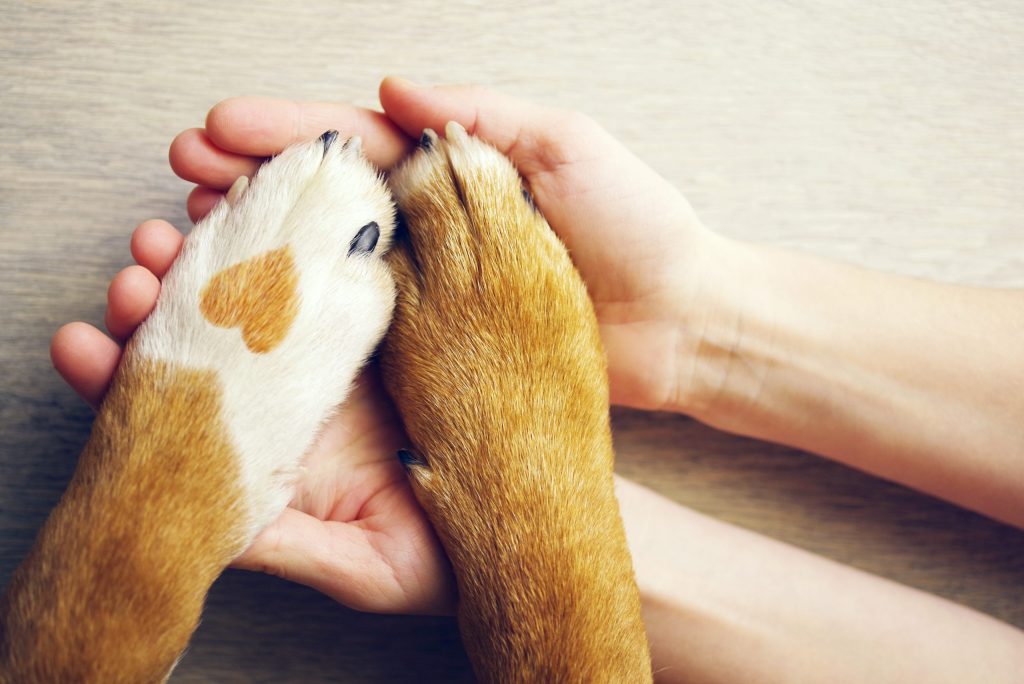
Many pet owners affectionately refer to their dogs front paws as “hands,” especially when teaching tricks like “shake hands.” However, the anatomical reality is quite different. Lets explore the fascinating world of canine limb structure and understand why dogs have paws rather than hands.
Understanding your dogs anatomy is crucial for proper care and recognition of potential health issues. This comprehensive guide will explain the unique features of canine limbs and how they differ from human appendages.
Ever looked at your furry friend and wondered if those cute little appendages at the end of their legs should be called hands, feet, or something else entirely? You’re not alone! This question has puzzled many dog owners, and today I’m gonna break it down for ya in simple terms
The Quick Answer: Dogs Have Paws, Not Hands
Let’s cut to the chase – dogs have four legs and four paws. They don’t technically have “hands” like humans do. Veterinarians use specific terminology to describe dog anatomy:
- Forelegs – the front two legs
- Hind legs – the back two legs
- Forepaws – paws on the front legs
- Hind paws – paws on the back legs
Why Dogs Don’t Have “Hands”
You might be thinking, “But my dog uses his front paws to hold things sometimes!” While that’s adorable there are a few key reasons why we don’t classify dog’s front limbs as hands
- No collar bones – Dogs lack a true clavicle (collar bone), which is replaced with cartilage. This affects their shoulder structure and range of motion.
- Limited grasping ability – The true function of a hand is to grab and hold items. Dogs cannot do this effectively with their paws.
- Same basic function – All four limbs are primarily used for walking and running, making dogs quadrupeds (four-legged animals).
Dog Paw Anatomy 101
Let’s get into the nitty-gritty of dog paw structure:
The forepaw is everything below the wrist joint in the front leg. It contains:
- Carpal bones (similar to our wrist bones)
- Phalanges (toe bones)
- Paw pads
- Sometimes a dewclaw (that extra “thumb-like” claw)
The hind paw is everything below the ankle joint in the back leg. It has a very similar structure to the forepaw.
The Foreleg vs. Human Arm Comparison
This is where it gets interesting! A dog’s foreleg actually shares some anatomical similarities with human arms:
| Dog Foreleg | Human Arm |
|---|---|
| Humerus | Humerus |
| Radius | Radius |
| Ulna | Ulna |
| Wrist joint | Wrist joint |
| Elbow joint | Elbow joint |
Despite these similarities, there’s a big difference – dogs use these limbs primarily for walking, running, and supporting their body weight. Humans use arms for manipulation, carrying, and complex tasks.
What About Those Dewclaws?
Some people point to dewclaws as evidence that dogs have “thumbs” and therefore hands. But let’s get real:
- Dewclaws are vestigial thumbs (evolutionary leftovers)
- Dogs cannot move them independently
- They don’t provide support for walking
- They can’t be used for grasping objects
In other words, while dewclaws might resemble thumbs in position, they don’t function like human thumbs at all.
Fun Fact: Dogs Sweat Through Their Paws!
Did you know that dogs don’t sweat like we do? They actually sweat through their paws! This, combined with panting, helps them regulate their body temperature. Those sweaty paws also provide better traction when running.
The Expert Perspective
According to veterinarians and animal anatomists, while dogs’ front limbs share similarities with human arms in structure, they’re classified as legs because:
- They’re primarily used for support and locomotion
- Dogs lack the range of motion in their shoulders that humans have
- They cannot grasp objects in the same way humans can
One veterinarian explains: “While dogs’ front limbs are commonly referred to as legs, they are quite similar to human arms in terms of structure. Dogs use their front limbs for digging, scratching, and sometimes manipulating objects, but they don’t have the dexterity or function of human hands.”
How Dogs Use Their Paws
Even without hands, dogs are pretty darn impressive with what they can do with those paws:
- Digging holes (sometimes in your favorite garden spot – oops!)
- Scratching an itch
- Pawing at you for attention
- Holding down toys or bones
- Communication with other dogs
- Expressing emotions
Some breeds have more dexterous front paws than others. Breeds like dachshunds and pugs have front limbs that are more flexible, allowing them to perform tasks requiring greater coordination.
Can Dogs Be Trained to Use Their Paws Like Hands?
Absolutely! Many dogs can be trained to use their paws in ways that seem hand-like:
- Giving “high fives”
- Opening doors
- Fetching specific objects
- Pushing buttons
- Pawing at screens
However, these behaviors are learned adaptations and don’t change the fundamental anatomy or classification of their limbs.
The Cultural Perception
It’s worth noting that how we view dog anatomy is partly cultural. Many dog owners refer to their dog’s front paws as “hands” in casual conversation because of how they use them to interact with us. This personification of our pets is normal and shows the deep bond we share with them.
We often say things like “give me your paw” or “shake hands,” which reinforces this idea of dogs having hand-like appendages. While not anatomically accurate, these terms reflect our emotional connection to our canine friends.
So What Do We Call Them?
To summarize what we’ve learned:
- Dogs have four legs (forelegs and hind legs)
- Dogs have four paws (forepaws and hind paws)
- Some people also use terms like “forefoot” and “hindfoot”
The most accurate way to refer to a dog’s limbs is:
- Front legs (forelegs) with paws
- Back legs (hind legs) with paws
Common Questions Answered
Do dogs have 2 hands and 2 feet or 4 feet?
Dogs have 4 feet (paws). They don’t have hands in the anatomical sense.
Can dogs hold things with their paws?
Not in the way humans can. While they might pin something down with a paw, they can’t grasp objects due to their paw structure and lack of opposable thumbs.
Why do some people say dogs have arms?
Because the bone structure of a dog’s foreleg is similar to a human arm (humerus, radius, ulna), which leads to this comparison. However, functionally, they’re all legs.
Do different dog breeds have different paw structures?
While the basic anatomy is the same, there are variations in size, shape, and sometimes function. Some breeds have webbed feet for swimming, while others have compact paws suited for different terrains.
Conclusion
So there ya have it! Dogs don’t have hands – they have four legs with paws. While their front legs share some anatomical similarities with our arms, they function differently and are designed primarily for walking and running.
Next time you look at your furry friend’s cute little paws, you’ll know exactly what you’re looking at – not hands, not feet, but specialized paws that are perfectly adapted for a dog’s lifestyle!
Care and Maintenance of Dog Paws
Understanding that dogs have paws rather than hands helps owners provide appropriate care:
- Regular nail trimming to prevent overgrowth
- Paw pad inspection for cuts or damage
- Protection from extreme temperatures
- Proper grooming between toe pads
- Monitoring dewclaws for injury
The Difference Between Human Hands and Dog Paws
While dogs can perform some dexterous tasks with their front paws, they lack several key features that define human hands:
- No opposable thumbs
- Limited finger movement
- Different bone structure
- No flat palm surface
- Different muscle arrangements
These anatomical differences make it clear that dogs have specialized paws rather than hands, despite their impressive abilities to interact with their environment.