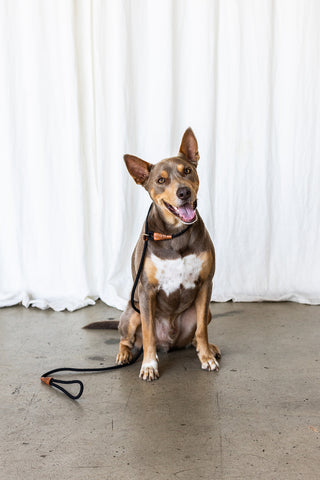
Slip leashes are a type of leash that tightens around a dogs neck when tension is applied. They are often used for training purposes, as they can be an effective way to correct pulling or other unwanted behaviours. However, slip leashes can also be dangerous if used incorrectly, and they are not suitable for all dogs.
Have you ever wondered if those simple rope-style slip leads are actually hurting your furry friend? As dog owners, we’re always trying to balance effective training with our pet’s comfort and safety. At DogWisdom we’ve researched this controversial topic thoroughly to give you the most accurate information possible.
What Exactly Is a Slip Lead?
A slip lead is essentially a 2-in-1 tool that functions as both a collar and leash combined. Unlike traditional collars that buckle around your dog’s neck with a separate attachable leash, a slip lead creates an adjustable loop that tightens when tension is applied and loosens when relaxed.
The basic design consists of:
- A long rope or material that forms both the leash and collar
- A metal ring or loop at one end
- Often a stopper to prevent the loop from becoming too loose
- No buckles, clips, or fasteners
When your dog pulls, the collar portion tightens around their neck creating pressure that’s meant to discourage pulling behavior. When they stop pulling, the pressure is supposed to release.
How Do Slip Leads Work?
The mechanism behind slip leads is pretty straightforward. As the dog pulls, the collar tightens, applying pressure around the dog’s neck. This pressure is intended to be uncomfortable enough to deter pulling but not so severe as to cause injury.
To put on a slip lead correctly
- Hold the loop open with your hand
- Place it over your dog’s head
- Position it high on the neck behind the ears and under the jaw (NOT low on the neck)
- Adjust the tension so you can fit 2-3 fingers between the lead and your dog’s neck
The Big Question: Do Slip Leads Hurt Dogs?
The short answer: They can, but they don’t have to.
The longer answer is more complicated and depends on several factors:
When Slip Leads Might Hurt Dogs
- Improper use: Jerking, yanking, or constant tension can cause neck strain or injury
- Wrong positioning: Placing the lead low on the neck instead of high behind the ears
- Dog characteristics: Some dogs are more vulnerable to injury (small breeds, puppies, dogs with respiratory issues)
- Excessive pulling: Dogs that lunge or pull continuously may experience more discomfort
- Extended use: Using slip leads for long periods without breaks
A slip lead is not inherently cruel or painful when used properly. However, they can cause discomfort or even injury when used incorrectly. The primary concern is that unlike some other training tools, slip leads don’t have a built-in mechanism to stop tightening – they’ll continue to constrict as long as pressure is applied.
Pros of Using Slip Leads
Despite the concerns, there are legitimate reasons why slip leads remain popular:
1. Easy to Put On and Take Off
Slip leads are incredibly simple to use – no fumbling with buckles or clips. Simply slide the loop over your dog’s head, adjust the position, and you’re ready to go. This makes them particularly convenient in emergency situations or when dealing with an uncooperative dog.
2. Security
Slip leads provide excellent security, especially for dogs known to slip out of traditional collars. The tightening mechanism makes it extremely difficult for dogs to escape, providing peace of mind in busy areas or near traffic.
3. Effective Training Tool
When used correctly, slip leads can be an excellent training aid. The immediate feedback helps dogs understand when they’re pulling and encourages them to walk calmly at your side. Many professional trainers use slip leads for this purpose.
4. Helpful for Reactive or Fearful Dogs
For dogs that exhibit fearful or reactive behaviors, slip leads can provide better control, allowing owners to redirect attention and manage potentially problematic situations more effectively.
Cons of Using Slip Leads
However, there are significant drawbacks to consider:
1. Potential for Injury
The most serious concern is the potential for injury. When a dog pulls continuously or lunges suddenly, the pressure on their neck can cause:
- Tracheal damage
- Thyroid gland damage
- Laryngeal injuries
- Bruising or inflammation
- Restricted breathing
2. Negative Associations
If used harshly, slip leads can create negative associations with walking. Dogs may become anxious, stressed, or even refuse to walk if they associate the activity with discomfort or pain.
3. Not Suitable for All Dogs
Slip leads are not appropriate for every dog. They should generally be avoided for:
- Small dogs with delicate necks
- Brachycephalic breeds (pugs, bulldogs, etc.)
- Dogs with pre-existing neck injuries
- Puppies under 6 months
- Dogs with fear or anxiety issues
Who Uses Slip Leads Professionally?
Despite the concerns, many professionals regularly use slip leads:
- Veterinarians: For quick control and safety when examining unfamiliar dogs
- Animal shelters: For efficient handling of multiple dogs
- Dog groomers: For control during grooming procedures
- Professional trainers: As a training tool, especially for show dogs
These professionals typically have extensive experience and know exactly how to use slip leads safely and effectively.
How to Use a Slip Lead Safely
If you decide a slip lead is appropriate for your dog, follow these safety guidelines:
- Proper positioning: Always place the lead high on the neck, behind the ears and under the jaw
- Monitor tension: Ensure you can fit 2-3 fingers between the lead and your dog’s neck
- Short training sessions: Don’t use a slip lead for extended periods
- Gentle corrections: Avoid harsh jerks or yanks – use gentle, consistent pressure
- Positive reinforcement: Pair the slip lead with rewards for good behavior
- Monitor your dog: Watch for signs of discomfort like coughing, wheezing, or pawing at the neck
- Never leave unattended: Dogs should never be tied up or left alone with a slip lead
Alternatives to Slip Leads
If you’re concerned about using a slip lead, there are several excellent alternatives:
1. Harnesses
Harnesses distribute pressure across the chest and shoulders rather than the neck, making them more comfortable for many dogs. They’re particularly good for:
- Small dogs
- Puppies
- Dogs with neck or respiratory issues
- Strong pullers
2. Front-Clipping Leashes
These attach to the front of a harness and help redirect a dog’s attention back to you when they pull. They’re especially useful for strong pullers without applying neck pressure.
3. Head Halters
Similar to a horse halter, these fit around a dog’s muzzle and provide gentle steering control. They’re effective for dogs that pull but require proper introduction and training.
When Should You Consider a Slip Lead?
A slip lead might be appropriate in these situations:
- Training a dog that pulls moderately
- Handling a dog that slips out of regular collars
- Emergency situations requiring quick control
- Professional settings (vet visits, grooming)
- Working with specific behavioral issues under professional guidance
When Should You Avoid a Slip Lead?
Avoid using a slip lead if:
- Your dog has respiratory issues
- Your dog is a brachycephalic breed
- Your dog is a puppy or very small
- Your dog lunges frequently or pulls excessively
- Your dog has a neck injury or tracheal collapse
- You’re inexperienced with training tools
Our Verdict
At DogWisdom, we believe slip leads can be useful tools in specific circumstances when used correctly. However, they’re not appropriate for every dog or owner.
For most pet owners, we recommend starting with a properly fitted harness, which provides control without the risks associated with neck pressure. If you do choose to use a slip lead, consider working with a professional trainer first to learn proper technique.
Remember, the goal of any training tool should be to communicate clearly with your dog while prioritizing their physical and emotional wellbeing. A tool that causes pain or fear is never the right choice, regardless of how effective it might seem in the short term.
FAQs About Slip Leads
Q: Can puppies use slip leads?
A: It’s generally not recommended for puppies under 6 months as their necks are still developing and they’re learning leash manners.
Q: How tight should a slip lead be?
A: You should be able to fit 2-3 fingers between the lead and your dog’s neck when it’s not pulling.
Q: Can slip leads cause permanent damage?
A: Yes, if used improperly, slip leads can cause tracheal collapse, bruising, or other permanent injuries.
Q: Are slip leads and choke chains the same thing?
A: They work on similar principles, but slip leads are typically made of softer rope material rather than metal chains.
Q: How long should training sessions with slip leads last?
A: Keep sessions short (10-15 minutes) and always monitor your dog for signs of discomfort.
Have you used a slip lead with your dog? We’d love to hear about your experiences in the comments below!
Disclaimer: This article is for informational purposes only and is not intended as professional training advice. Every dog is different, and what works for one may not work for another. When in doubt, consult with a certified dog trainer or veterinarian.

Pros of Using a Slip Leash
Easy to Put On and Take Off
One of the major advantages of slip leashes is their ease of use. Unlike traditional buckle collars or harnesses, slip leashes dont require any buckles or clips to fasten. This makes them incredibly simple to put on and take off, regardless of your dogs size, strength, or temperament.
To put on a slip leash, simply hold the loop of the leash open and gently slide it over your dogs head. Ensure the loop is positioned comfortably around the neck, not too tight or too loose. Once the loop is in place, adjust the slider to tighten the leash slightly, leaving enough space for two fingers to comfortably fit between the leash and your dogs neck.
Removing a slip leash is just as straightforward. Hold the leash firmly with one hand and slide the slider towards the handle end of the leash. This will widen the loop, allowing you to easily slip the leash off your dogs head.
The simplicity of slip leashes makes them particularly convenient for situations where time is of the essence, such as when quickly securing your dog before entering a crowded area or when dealing with an agitated or uncooperative dog. The lack of buckles or clips eliminates the risk of fumbling or struggling with fasteners, ensuring a smooth and efficient process both for you and your canine companion.
Secure
Slip leashes offer a high degree of security, making them a popular choice for dog owners who require a reliable way to control their pets. Unlike traditional buckle collars, which can be easily slipped off by determined dogs, slip leashes tighten around the neck when tension is applied, making it extremely difficult for dogs to escape. This added security is particularly beneficial for large, strong dogs, or dogs with a history of bolting or escaping from other types of leashes.
The secure nature of slip leashes also makes them a suitable choice for situations where close control is crucial. For instance, when walking in busy areas, crowded parks, or near traffic, a slip leash provides peace of mind, knowing that your dog is securely restrained and less likely to dart off or become entangled with others.
Additionally, slip leashes can be instrumental in preventing dogs from accessing potentially harmful items, such as toxic substances or dangerous objects. By maintaining close control, slip leashes allow you to quickly redirect your dogs attention away from hazards and ensure their safety.
While slip leashes offer enhanced security, its essential to use them responsibly and with caution. Overtightening or misusing a slip leash can cause discomfort or injury to your dog. Always ensure the leash is properly adjusted and that you maintain a gentle but firm grip to prevent accidental tightening.
Effective for Training
Slip leashes have long been recognised as effective tools for training dogs, particularly in addressing pulling and other unwanted behaviours. The tightening effect of the slip leash around the neck provides a gentle yet effective form of correction, discouraging the dog from pulling and encouraging them to walk calmly at your side.
The immediate feedback provided by a slip leash can help dogs quickly understand the desired behaviour. When the dog pulls, the leash tightens, providing a negative reinforcement that discourages the pulling action. Conversely, when the dog walks calmly, the leash remains loose, providing positive reinforcement that encourages the desired behaviour.
Unlike traditional buckle collars, which can cause discomfort or pain when pulled on, slip leashes distribute the pressure more evenly around the neck, making them a less harsh and more comfortable option for training. Additionally, the tightening action of the slip leash is relatively gentle, especially when used properly, making it suitable for dogs of all sizes and temperaments.
Slip leashes can also be effective in addressing other unwanted behaviours, such as lunging, barking, or jumping up. By providing immediate feedback and correction, slip leashes can help to discourage these behaviours and promote more polite and well-mannered behaviour in your canine companion.
However, its important to note that slip leashes should not be used as the sole method of training. Effective dog training requires a combination of positive reinforcement, reward-based training techniques, and clear and consistent communication between the owner and the dog. Slip leashes can be a valuable tool when used appropriately, but they should be used in conjunction with other training methods to achieve long-term positive results.
Can be Helpful for Dogs Who Are Fearful or Reactive
Slip leashes can be a useful tool for managing dogs who exhibit fearful or reactive behaviours. These behaviours, often triggered by specific stimuli such as other dogs, people, or loud noises, can lead to lunging, barking, or even aggression. Slip leashes can provide a sense of control and security for both the owner and the dog in these situations.
The ability to quickly gain control of a fearful or reactive dog can be crucial in preventing escalation and ensuring the safety of everyone involved. Slip leashes offer a more immediate and effective means of control compared to traditional buckle collars, which can slip off or be difficult to manage in a moment of tension.
By providing a gentle yet firm grip on the leash, owners can redirect their dogs attention away from the perceived threat, preventing further reaction and allowing for a more controlled retreat from the situation. This can help to reduce the dogs anxiety and fear, making it easier for them to learn coping mechanisms and gradually desensitise them to their triggers.
However, its important to use slip leashes with caution when dealing with fearful or reactive dogs. Overtightening or jerking the leash can exacerbate anxiety and fear, worsening the dogs reactivity. Instead, the focus should be on maintaining a calm and reassuring demeanour while using the leash as a tool for gentle guidance and redirection.
Slip leashes, when used responsibly and in conjunction with other behavior modification techniques, can be a valuable asset in managing fearful or reactive dogs. They can help to provide a sense of control and safety, allowing owners to work towards reducing their dogs anxiety and promoting more positive interactions with the world around them.
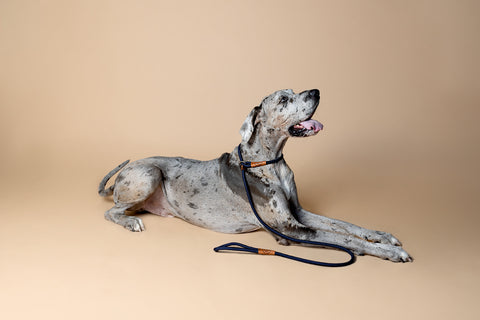
Cons of Using a Slip Leash
Can Cause Injury
While slip leashes can be effective for training and controlling dogs, they can also cause injury if used incorrectly or inappropriately. The tightening action of the slip leash around the neck can put pressure on delicate structures, such as the trachea, larynx, and thyroid gland. In severe cases, this pressure can lead to:
- Tracheal collapse: The trachea, or windpipe, is a flexible tube that carries air from the nose and mouth to the lungs. When excessive pressure is applied to the neck, the trachea can collapse, making it difficult for the dog to breathe.
- Laryngeal damage: The larynx, or voice box, is located at the top of the trachea and houses the vocal cords. Excessive pressure on the larynx can cause bruising, inflammation, or even tearing of the vocal cords.
- Thyroid gland damage: The thyroid gland is located in the front of the neck and is responsible for producing hormones that regulate metabolism. Excessive pressure on the thyroid gland can damage the gland, leading to hormonal imbalances.
In addition to these specific injuries, slip leashes can also cause general discomfort and pain in the neck. The tightening action of the leash can rub against the delicate skin of the neck, leading to abrasions, sores, or even infections.
To prevent injuries from slip leashes, its crucial to use them correctly and responsibly. Here are some key safety precautions to follow:
- Proper fit: Ensure the slip leash is properly fitted around the dogs neck, not too tight or too loose. Two fingers should comfortably fit between the leash and the dogs neck.
- Gentle guidance: Avoid sudden jerks or forceful tugs on the leash. Instead, use gentle and consistent pressure to guide the dog.
- Avoid overtightening: Never overtighten the slip leash to the point of choking or restricting the dogs airway.
- Monitor for signs of discomfort: Be aware of any signs of discomfort or distress in your dog, such as coughing, wheezing, or pawing at the neck.
- Seek professional guidance: If you have concerns about using a slip leash safely, consult with a veterinarian or certified dog trainer for personalised advice and training.
Can Create Negative Associations with Walking
If used too harshly, slip leashes can create negative associations with walking in dogs. This can make the dog reluctant to walk on a leash, and it can make it more difficult to train the dog to walk calmly. The tightening of the leash around the neck can be uncomfortable or even painful for the dog, and it can trigger a fear or anxiety response. This can lead to the dog pulling against the leash, trying to escape, or even refusing to walk altogether.
In addition to the physical discomfort, slip leashes can also create negative emotional associations with walking. The feeling of being restrained and controlled can be stressful for some dogs, especially those who are naturally anxious or fearful. This stress can manifest in various ways, such as excessive panting, whining, or trembling.
Over time, these negative associations can make it difficult to convince the dog that walking is a positive experience. The dog may come to dread the sight of the leash or the feeling of being restrained, and they may become resistant to walking altogether. This can make it challenging to exercise the dog, socialise them, or simply enjoy walks together.
To avoid creating negative associations with walking, its important to use slip leashes gently and responsibly. Here are some tips for using slip leashes positively:
- Start slowly and gradually increase walking time: Dont overwhelm the dog with long walks right away. Start with short walks and gradually increase the duration as the dog becomes more comfortable.
- Pair walking with positive experiences: Associate walking with positive experiences, such as playing fetch or receiving treats. This can help to create a positive association with walking and make the dog more eager to go for walks.
- Use positive reinforcement: Reward the dog for calm and cooperative walking behaviour. Positive reinforcement can help to strengthen the positive association with walking and encourage the dog to continue walking calmly.
- Avoid harsh corrections: Harsh corrections, such as jerking or yanking on the leash, can create fear and anxiety and worsen the dogs reluctance to walk.
- Seek professional help if needed: If you are struggling to train your dog to walk calmly on a slip leash, consult with a certified dog trainer for personalized guidance and assistance.
Remember, patience and consistency are key when training a dog to walk calmly on a leash. With positive reinforcement and gentle guidance, you can help your dog overcome any negative associations with walking and enjoy walks together.
Not Suitable for All Dogs
Slip leashes are not suitable for all dogs. They are not recommended for:
- Small dogs: Small dogs have delicate necks that are more susceptible to injury from slip leashes. The tightening action of the leash can put excessive pressure on their trachea, larynx, and thyroid gland, potentially leading to serious health problems.
- Brachycephalic dogs: Brachycephalic dogs, such as bulldogs, pugs, and shih tzus, have short snouts and flattened faces that make them more prone to respiratory problems. The pressure from a slip leash can further restrict their airways, exacerbating their breathing difficulties.
- Dogs with pre-existing neck injuries: Dogs with pre-existing neck injuries, such as tracheal collapse or laryngeal paralysis, should not wear slip leashes. The tightening action of the leash can aggravate their injuries and cause further pain and discomfort.
- Dogs with fear or anxiety issues: Dogs with fear or anxiety issues may be particularly sensitive to the pressure and restraint of a slip leash. The tightening of the leash can exacerbate their anxiety, leading to increased fear, stress, and potentially aggressive behaviour.
- Puppies: Puppies are still developing their muscles and coordination, and they may not be strong enough to control the tightening action of a slip leash. It is recommended to wait until puppies are at least 6 months old and have received basic obedience training before introducing them to slip leashes.
If you are considering using a slip leash with your dog, it is important to consult with your veterinarian or a certified dog trainer to determine if it is the right option for your dogs breed, size, and temperament. They can also provide guidance on how to use a slip leash safely and effectively.