
When summer rolls around and temperatures start climbing, many pet parents wonder if they should give their furry friend a haircut to help them beat the heat. It seems like common sense, right? Less hair must mean a cooler dog. But is that actually true? The answer might surprise you!
As a dog owner myself, I’ve often debated whether to trim my golden retriever’s thick coat during those sweltering summer months. After doing some research and consulting with experts, I’ve found that the answer isn’t as straightforward as you might think. In fact, it depends on several factors including your dog’s breed, coat type, and overall health.
Understanding Your Dog’s Natural Cooling System
Before we dive into whether cutting your dog’s hair helps cool them down, let’s understand how dogs naturally regulate their temperature
- Panting: This is a dog’s primary cooling mechanism. Unlike humans who sweat all over, dogs primarily release heat through panting.
- Sweating: Dogs do sweat, but only through their paw pads, which plays a minor role in cooling.
- Shedding: Dogs naturally shed their thick winter coats as seasons change to adapt to warmer weather.
- Grooming: Particularly in cats but also in some dogs, licking their fur creates an evaporative cooling effect.
The Great Debate: To Cut or Not to Cut?
The short answer is it depends While it might seem intuitive that less hair equals a cooler dog, shaving or drastically cutting a dog’s coat can actually reduce their natural ability to regulate temperature, especially for certain breeds.
Double-Coated Dogs: Usually a Bad Idea to Shave
For double-coated breeds like Huskies, German Shepherds, Golden Retrievers, and Pomeranians, shaving can actually make them HOTTER rather than cooler. Here’s why:
- Natural Insulation: Their undercoat acts as insulation against BOTH hot and cold temperatures.
- Sun Protection: The coat shields their skin from harmful UV rays, preventing sunburn.
- Air Circulation: A properly maintained coat allows air to circulate near the skin.
When you shave a double-coated dog, you’re removing their natural cooling system. Their undercoat would naturally thin out in summer anyway, but shaving disrupts this process and can lead to improper regrowth.
As Dr. Joanna Woodnutt explains, “The coat helps to trap air to insulate them – just like a quilted coat does for us.” But she adds an important caveat: “This would be a huge benefit if the outside air temperature is -20°C, but move your husky to California or South Africa and it’s a different story.”
Single-Coated Dogs: Trimming Can Help
For single-coated breeds like Poodles, Maltese, and Greyhounds, a trim (not a complete shave) can actually be beneficial in hot weather. These breeds don’t have the same type of insulating undercoat, so shorter hair can help them stay cooler.
The Science Behind Dog Coats and Temperature Regulation
Let’s get into the nitty-gritty of how your dog’s coat actually works:
Double Coat Functions
A double-coated dog’s fur serves several essential purposes:
- Insulation: It traps air, creating a barrier against extreme temperatures.
- Sun protection: It shields the skin from harmful UV rays.
- Water resistance: It helps repel water, keeping the dog dry.
The Thermal Imaging Evidence
There’s an interesting thermal imaging picture that’s often used in this debate. The image shows a partially shaved dog where the shaved portion appears orange (warmer) and the furred portion appears blue (cooler).
Some people use this to argue that fur keeps dogs cooler, but what it actually shows is that the surface of the fur is cooler than exposed skin. However, if you measured the temperature under the fur, you’d find the skin is actually hotter because the coat is trapping heat!
As one expert explains: “What you’re seeing in that image is the fur keeping the dog’s body heat in; just as a human wearing a coat will have a dark body and a shining face on thermal imaging. And you wouldn’t wear a coat out in this heat, would you?”
When Cutting Might Actually Be Beneficial
There are some situations where trimming or even shaving might be necessary:
- Matting: Severely matted fur prevents proper airflow and traps heat. In these cases, shaving matted areas may be necessary.
- Medical conditions: For skin infections or surgical procedures, your vet might recommend shaving.
- Certain breeds: Breeds developed in hot climates tend to have shorter coats naturally, suggesting that less fur is better for heat regulation in warm environments.
Potential Risks of Shaving Your Dog
Before you reach for the clippers, consider these potential downsides:
- Sunburn: Without their protective coat, dogs can get sunburned just like we do.
- Coat damage: Shaving can disrupt the natural hair growth cycle, sometimes resulting in patchy regrowth or even permanent hair loss (alopecia).
- Insect bites: A coat provides some protection against insect bites and stings.
Better Alternatives to Keep Your Dog Cool
Instead of shaving, try these more effective cooling strategies:
- Regular brushing: Remove loose fur to improve air circulation through the coat.
- Provide shade and water: Make sure your dog has access to shade and fresh water at all times.
- Limit exercise during peak heat: Walk your dog during cooler parts of the day.
- Cooling mats or vests: These can help draw heat away from your dog’s body.
- Trim the underside: If you’re concerned about your double-coated dog, consider just trimming the fur on their belly to allow for cooling when they lie on cool surfaces.
Breed-Specific Considerations
Different breeds have different needs when it comes to summer grooming:
| Breed Group | Examples | Coat Type | Recommendation |
|---|---|---|---|
| Double-Coated | Husky, German Shepherd, Collie | Double | Generally not recommended to shave |
| Single-Coated | Poodle, Maltese, Greyhound | Single | Trimming is acceptable |
| Short-Haired | Boxer, Doberman | Short | No trimming needed |
| Hairless | Chinese Crested | Hairless | Requires sun protection |
The Bottom Line: What Experts Say
While there’s some debate among experts, many veterinarians and professional groomers agree that:
- Double-coated dogs should generally not be shaved completely.
- Regular brushing is more effective than shaving for managing shedding and heat.
- For single-coated dogs, moderate trimming (not shaving to the skin) can be helpful.
Dr. Woodnutt states: “Your dog is a mammal, just like you are. If he’s got a thick double coat, it’s because he’s been bred in a cold country… But if you take the dog and the person and put them in Australia, chances are that the human is going to shed his coat pretty quickly. The dog can’t. But clipping him will make him feel much more comfortable!”
FAQs About Cutting Dogs’ Hair in Summer
Will shaving my double-coated dog help with shedding?
No, shaving won’t reduce shedding in the long run. Regular brushing is more effective for managing shedding.
My dog gets matted easily. Is it okay to shave them?
If your dog’s coat is severely matted, shaving may be necessary to prevent skin infections. However, try to have this done by a professional groomer.
How can I tell if my dog is too hot?
Signs include excessive panting, drooling, lethargy, seeking out cool surfaces, and in severe cases, vomiting or collapse. If you notice these signs, move your dog to a cool place immediately and contact your vet if symptoms don’t improve.
What about dogs with black coats?
Dogs with dark-colored coats tend to absorb more heat from the sun, so they may need extra help staying cool. However, shaving isn’t necessarily the answer – focus on shade and other cooling methods instead.
My Personal Experience
I remember the summer I decided to give my golden retriever a “summer cut” thinking I was doing him a favor. What I didn’t realize was that his double coat was actually helping regulate his temperature! After the haircut, he seemed to get overheated MORE quickly when outside and got sunburned on his back where his fur was thinnest.
Now I stick to regular brushing to remove loose undercoat and make sure he has plenty of shade and water. On the hottest days, we go for walks early in the morning or late in the evening, and I’ve invested in a cooling mat that he loves to lie on. These strategies have been much more effective than cutting his coat!
In Conclusion
The question “does cutting a dog’s hair make them cooler?” doesn’t have a one-size-fits-all answer. For double-coated breeds, maintaining their natural coat (with regular brushing) is usually best. For single-coated breeds, a trim can help them stay comfortable.
Instead of reaching for the clippers this summer, focus on proper grooming, providing shade and water, and limiting outdoor activity during the hottest parts of the day. Your furry friend will thank you for it!
Remember, when in doubt, consult with your veterinarian or a professional groomer who understands your dog’s specific coat type and needs. They can provide personalized advice that keeps your pup happy, healthy, and comfortably cool all summer long.
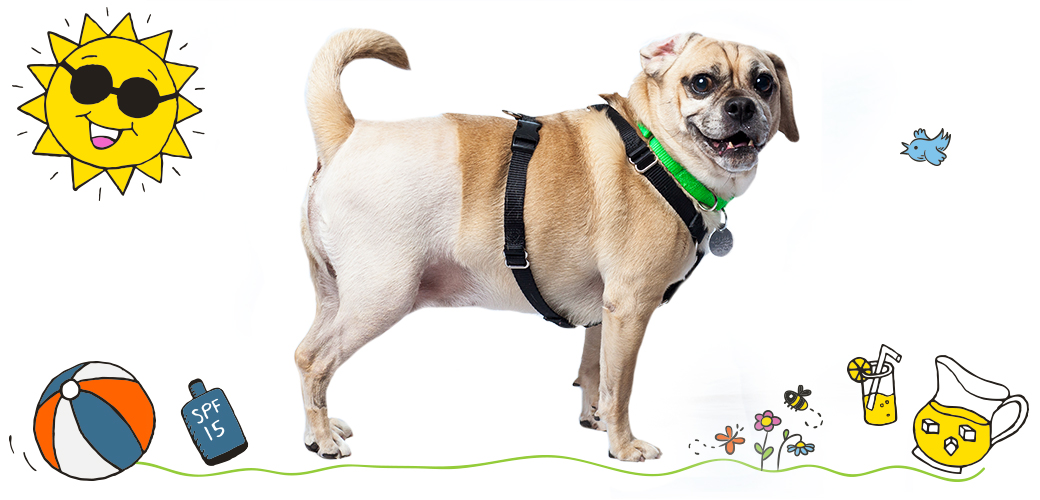
So what can you do?
Don’t feel frightened about grooming your pet. It is ok to give your long-haired dog or cat a “summer cut”—trimming their long hair may make it more manageable. However, it is best to allow a professional groomer to perform the haircutting, and never shave down to the skin or try to cut the hair yourself with scissors.
If you prefer not to cut your pet’s hair, that’s fine. Dogs with thick coats naturally shed, so they have lighter coats in the summer. Remember to regularly brush your dog’s fur and bathe them frequently, as clean, brushed fur allows for better air circulation.
Pet parents should also remember to provide a shady area when taking your pet outside, and to provide plenty of water during hot days—hydration is key! For more important information on summer pet care, check out the ASPCA’s Hot-Weather Safety Tips.
Heat Wave Approaching! Should You Shave Your Pet?
Summer is in full swing, and temperatures are heating up nationwide. We know that as a responsible pet parent, you want to do everything you can to keep your best four-legged friends cool. So when you look at your furry dog or long-haired cat wearing a thick, fluffy coat, you might feel tempted to break out your grooming tools and give him a serious buzz cut.
While you or I would hate to sport multiple layers in 100-degree weather, your pets’ fur coats are actually providing them with heat relief. Acting like insulation, a dog’s coat keeps him from getting too cold in the winter, but also keeps him from overheating in the summer.
Our pets’ coats have several layers that are essential to their comfort in the heat. Robbing your dog or cat of this natural cooling system can lead to discomfort, overheating and other serious dangers like sunburn or skin cancer.