
And although their coat doesn’t fall out in clumps during spring like other dogs, it does still shed throughout the year.
Check out the answer on how often you should bathe a pit bull, plus other proper grooming tips that will keep your pit bull’s coat shiny, regardless of the season.
Pitbull terriers have a reputation for being low-maintenance dogs when it comes to grooming, but that doesn’t mean they don’t need any grooming at all! As a Pitbull owner myself, I’ve learned that regular grooming is still an essential part of keeping these muscular pups healthy and happy.
The Basics of Pitbull Grooming
Pitbulls have short coats that many owners assume require minimal care While it’s true they don’t need the extensive grooming that long-haired breeds do, they still benefit from regular maintenance Let me break down the essential grooming needs for your Pitbull
Bathing Schedule
One of the most common mistakes I see new Pitbull owners make is bathing their dogs too frequently Pitbulls actually shouldn’t be bathed too often because
- They have natural oils in their coat that protect their skin
- Over-bathing can strip these oils away
- This can lead to dry skin and increased shedding
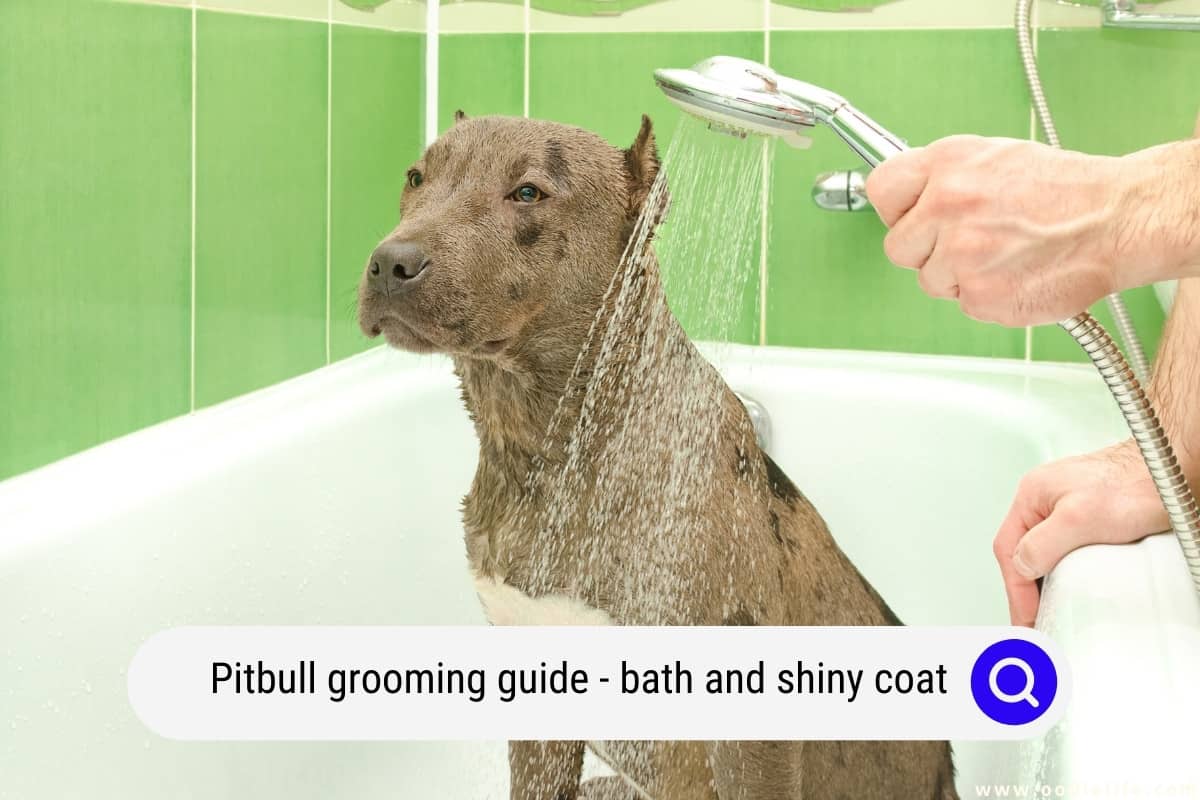
The recommended bathing schedule for Pitbulls is approximately once every 6 months unless they get particularly dirty or smelly. This might sound like a long time between baths but it’s actually ideal for their coat type. Your Pitbull only needs about 2 baths per year to stay clean and healthy.
Brushing Requirements
Even though Pitbulls have short coats, regular brushing is still important! You should brush your Pitbull at least:
- Once per week at minimum
- 2-3 times per week is even better
- Before bathing to remove loose hair and debris
Brushing helps distribute those natural oils throughout their coat, removes dead hair, and reduces shedding around your home. I recommend taking your Pitbull outside for brushing sessions to prevent hair from floating around your house.
9 Essential Grooming Practices for Pitbulls
Let’s dive deeper into the complete grooming routine your Pitbull needs:
1. Infrequent but Regular Bathing
As mentioned, Pitbulls only need baths approximately twice a year. When bathing your Pitbull:
- Use lukewarm water
- Choose dog-specific shampoo (human shampoo can irritate their skin)
- Thoroughly rinse all soap to prevent skin irritation
- Avoid getting water in their ears
If your Pitbull gets particularly dirty during an outdoor adventure, an extra bath is perfectly fine. Just don’t make it a weekly habit.
2. Weekly Brushing Sessions
Even with their short coat, Pitbulls shed! Regular brushing helps:
- Remove loose hair before it ends up on your furniture
- Distribute natural oils through their coat
- Keep their skin healthy
- Reduce allergens in your home
A rubber curry brush or grooming mitt works great for Pitbulls and feels like a massage for them.
3. Nail Trimming
Pitbull nails need regular attention to prevent them from:
- Growing too long and causing discomfort
- Splitting or cracking
- Scratching furniture or people
Trim your Pitbull’s nails every 4-6 weeks. If you hear their nails clicking on hard floors, they’re too long. I was nervous about nail trimming at first, but with proper nail clippers and some patience, it becomes routine.
4. Ear Cleaning
Pitbulls can be prone to ear infections, especially if they love water activities. Clean their ears:
- Once a month for prevention
- Using dog-specific ear cleaning solution
- With cotton balls (never push anything deep into the ear canal)
- More frequently if they swim often
During bath time, be extra careful to keep water out of their ears.
5. Dental Care
Don’t forget about your Pitbull’s teeth! Dental care is often overlooked but is crucial for overall health. Options include:
- Dental chew bones and toys
- Regular teeth brushing with dog-specific toothpaste
- Dental treats designed to reduce tartar
Bad breath in your Pitbull is often a sign that dental care needs attention.
6. Wrinkle Care (for some Pitbulls)
Some Pitbulls have facial wrinkles that need special attention:
- Clean between wrinkles with a damp cloth
- Thoroughly dry afterwards
- Check regularly for irritation or infection
Moisture trapped in wrinkles can lead to skin infections, so keep those areas clean and dry.
7. Paw Care
Your Pitbull’s paws endure a lot of wear and tear, especially if they’re active. Remember to:
- Check between paw pads for debris or cuts
- Trim hair between pads if necessary
- Apply paw balm in extreme weather conditions
- Wipe paws after walks, especially in winter when salt may be on sidewalks
8. Flea and Tick Prevention
This is technically part of health care, but it relates to grooming too:
- Use vet-recommended flea and tick preventatives
- Check your Pitbull’s coat regularly for signs of parasites
- Treat promptly if any issues are found
9. Post-Bath Drying
After bathing your Pitbull:
- Thoroughly towel dry them
- Consider a walk outdoors to finish drying naturally
- Use a blow dryer on low setting if needed (stay several inches away from skin)
Be prepared for the famous “full-body shake” that follows bath time!
How Grooming Impacts Shedding
Many people are surprised to learn that Pitbulls shed. While they don’t shed as much as some breeds, they definitely leave hair around. Proper grooming significantly reduces shedding by:
- Removing loose hair during brushing before it falls out around your home
- Maintaining healthy skin and coat through proper bathing schedules
- Providing proper nutrition which affects coat health
I’ve found that consistent brushing makes the biggest difference in controlling Pitbull shedding.
Common Pitbull Grooming Mistakes
In my experience, these are the most common mistakes Pitbull owners make:
- Bathing too frequently – This strips natural oils and causes dry skin
- Neglecting nail care – Long nails can change how your dog walks and cause pain
- Skipping ear cleaning – Pitbulls can be prone to ear infections
- Using human products – Always use dog-specific shampoos and soaps
- Forgetting dental care – Dental issues can lead to serious health problems
When to Consider Professional Grooming
While Pitbulls can easily be groomed at home, professional grooming might be helpful for:
- Nail trimming if you’re nervous about doing it yourself
- Deep cleaning if your dog got into something particularly messy
- Expressing anal glands (if recommended by your vet)
- Teaching you proper techniques
I usually handle most grooming myself, but I do take my Pitbull to a professional for nail trims since he doesn’t love that part.
Benefits of Regular Grooming for Pitbulls
Regular grooming provides numerous benefits beyond just keeping your Pitbull looking good:
- Early detection of health issues – You might notice lumps, bumps, or skin problems
- Improved circulation – Brushing stimulates blood flow to the skin
- Reduced shedding – Less hair around your home
- Bonding opportunity – Grooming time can strengthen your relationship
- Healthier coat and skin – Proper grooming prevents many skin issues
- Less odor – Regular maintenance keeps doggy smell at bay
Final Thoughts
While Pitbulls don’t need the intensive grooming that some breeds require, they definitely need regular maintenance to stay healthy and comfortable. By following the guidelines I’ve outlined, you’ll keep your Pitbull looking and feeling their best.
Remember that grooming isn’t just about appearance – it’s an important part of your Pitbull’s overall health care. Plus, those grooming sessions give you regular opportunities to check your dog for any concerning changes that might need veterinary attention.
What grooming tips have worked well for your Pitbull? Do you have any questions about Pitbull grooming that I haven’t addressed? Share your thoughts and experiences in the comments below!
Why is My Pit Bull Scared Of The Water?
A pit bull is unlikely to be afraid of water, especially if they’re exposed to it in positive situations since they were a puppy. However, a single negative experience with water, especially during a critical socialization period, can cause them to be scared of water.
It may explain the fear if your pit bull had less than gradual exposure to water or has been frightened of water in the past.
Here are a few possible explanations for fear of water, especially if you have adopted an adult pit bull.
- They may have been sprayed with a hose as a punishment. It may be used to break a dogfight. So, they believe that water is a bad thing.
- They’d never seen water before, so it became intimidating.
Don’t worry. Theyll overcome their fear of water with plenty of positive reinforcement and slow introductions.
So, How Often Should you Bathe a Pit bull?
Generally, you should bathe your pitbull once every month to six months. They don’t require frequent washing since they have short hair, experience relatively average shedding, and make natural oils that protect their coats and skin.
Of course, you need to bathe them if they play in the mud. You don’t have to give them shampoo every time, rinsing them with water and using a soft towel will do. Then, give their fur a quick brush to protect them against knots and mats.
The frequency of their bathes also varies depending on the dog’s activity level, health, age, and weather.
Overbathing (more than once a week) can dry out your dog’s skin and cause flaking or itching. This will reduce the natural luster of their coat.
Here’s a quick guide on how often you should bathe your pit bull during summer or winter.
|
Summer |
Winter |
|
Use cool water to help them cool down |
Use lukewarm water to keep them comfortable and warm |
|
Your dog can bathe outdoors |
Pit bulls have short fur and get cold easily. It’s better to bathe them indoors. |
|
You can use skin-soothing shampoo, like oatmeal. |
Your pitbull needs more moisture to treat dryness or soothe any irritation or dry winter skin. |
|
A hairdryer is not necessary. Using a thick bath towel is recommended. |
The use of a hairdryer is preferable. Use it on its lowest setting. |
|
Brush their fur on alternate days |
Brush their fur every day |
If your pit bull is seeking warmth and is shivering during the winter season, you may want to invest in quality winter dog gear.
At SparkPaws, we offer a breathable dog jacketwith cotton insulation and a polar fleece interior for extra warmth.
Why we DON’T LIKE Pitbulls
FAQ
Are American pit bull terriers easy to groom?
American Pit Bull Terriers (APBTs) are generally low-maintenance dogs who are fun and easy to groom. Their short, single coats don’t require elaborate attention, but it’s important to perform regular brushing, cleaning, and trimming to keep them in top form.
How do you groom a pit bull?
Pit Bulls have a short, shiny coat (in red, blue, brown, grey, black and white) that is easy to groom. Brush them with a firm brush and rub with a damp cloth and the coat’s sparkle will crack a mirror. Trim their nails and brush their teeth regularly. Pit bulls shed moderately.
Do Pitbulls need to be groomed?
Up last in my 9 critical grooming essentials comes down to ensuring your Pitbull’s mouth and teeth are not neglected. Some Pitbull owners may take this further by physically brushing their dogs’ teeth, but there is an easier way. Dental chew bones are created and enjoyable for a Pitbull.
Should you get a pit bull?
Some people shudder when they hear the word “pit bull.” Unfortunately, these dogs have earned a bad reputation. However, those of us who love animals know that their bad reputation is unfounded. Today, we’re going to talk about 11 reasons pit bull haters say you should never get a pit bull.
Do pitbull terriers need to be bathed?
Less bathing with routine and consistency is the key when grooming and bathing a Pitbull Terrier. This is a step that is often neglected. Many new Pitbull owners may feel that brushing during bath time or before bath time is sufficient and will get the job done. This is 100% false and a common pitfall during the grooming process.
Do Pitbulls need nails?
Nails are one of the items on the grooming list for your Pitbull that can be intimidating because many individuals simply do not know how to do it. That and, a lot of individuals fear cutting their Pitbull’s nails too short.
Do Pit Bulls ever need a haircut?
How often do Pit Bulls need to be groomed?
While Pit Bulls don’t need as much grooming as other, longer-haired breeds, they should be brushed regularly to remove loose hair and dirt. Brushing your dog once a week or every two weeks should be fine, but you can increase the frequency if your Pit Bull sheds a lot.
What kind of coat does a pitbull have?
A pit bull has a short, dense, single-layer coat that is smooth, stiff to the touch, and glossy. Unlike some breeds, they do not have an undercoat, which makes them more susceptible to cold weather. This short, single coat requires minimal grooming but still sheds year-round, with heavier shedding in the spring and fall, and comes in a wide variety of colors and patterns.
What triggers pit bull attacks?
Pitbulls attack for reasons common to all dogs, such as fear, pain, stress, or feeling threatened, but their history of being bred for fighting and their physical characteristics can contribute to the severity of their attacks. Irresponsible breeding, lack of socialization, abuse, or neglect can also increase the likelihood of aggression. A lack of proper training and management by owners is a significant factor in violent behavior, as is frustration from a lack of exercise or affection.